Showing posts with label 2015. Show all posts

Tuesday, October 13, 2015

Halmidi Inscription: Most Ancient Kannada Language and Script Dates back to 450 - 500 A.D.

Union Ministry for Culture grant the classical language status to Tamil (in 2004), Sanskrit (in 2005). Tamil and Sanskrit languages are considered as the main sources for several languages forming part of  Indo-European family and the Dravidian family of linguistic groups. Union Ministry for Culture also granted classical language status to Telugu (since 2008) Kannada (Since 2008) Malayalam (since 2013) and Odiya (since 2014). From this we can infer that Kannada is being considered as the second classical language among the four Dravidian family of linguistic groups. Scholars believe that the Kannada script evolved from southern varieties of the Ashokan Brahmi script.  
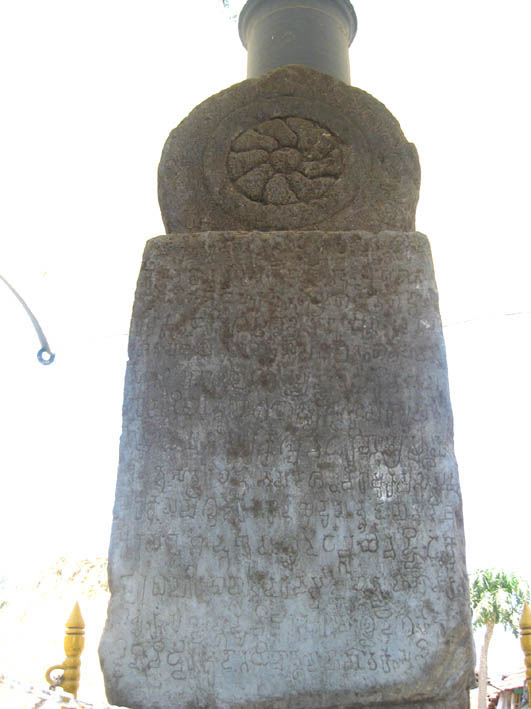


A RELIC: A sample of Halmidi inscription.
PC: The Hindu,

Kannadigas claim that Halmidi Kannda script as the oldest script which is usually dated  between 450 A.D. and 500 A.D. Halmidi inscription was discovered by M.H. Krishna, Director of Archaeology in the princely State of Mysore at Halmidi village in Hassan taluk in 1936.  Epigraphist, K. V. Ramesh has written about the differing estimates:
And I attribute the origin of this doubt in their minds to the fact that scholars, even the reputed ones, have held differing views, mostly to prop up their preconceived notions, on the palaeographical dating of any given undated or insufficiently dated inscriptions. ... The undated Halmidi (Hassan District, Karnataka) inscription, allegedly written during the reign of Kadamba Kakusthavarman, is taken by some scholars to belong, on palaeographical grounds, to the middle of the 5th century AD, while a few other scholars have held, on the same grounds of palaeography, that it is as late as the second half of the 6th century A.D. — K. V. Ramesh
Halmidi is a small village in Belur taluk, in the north of Hassan district with a population of 1,200, and was known as `Palmidi' and `Hanumidi'. Scholars fully agree with its ancientness but debate on the precise date.  The 16-line Halmidi inscription, with the Vishnu Chakra on its top, found inscribed on the rectangular sandstone with a height of 2.5 ft. and a width of 1 ft.  The script used in Halmidi inscription is considered as the primitive Kannada script. The scholars identified that its typical characteristics ascribed to "Poorvada Halegannada" (primitive Kannada) and the script has similarities with Tamil Brahmi characters. The transliteration of Halmidi inscription in English and Tamil are given below: 

1. jayati śri-pariṣvāṅga-śārṅga vyānatir-acytāḥ dānav-akṣṇōr-yugānt-āgniḥ śiṣṭānān=tu sudarśanaḥ  (ஜயதி ஸ்ரீ பரிஸ்வாங்க ஸாரங்க வ்யானதிர் அச்ய்தாதானவக்ஷ்னோர் யுகாந்தாக்னி சிஸ்தானான் து ஸுதர்ஸ:)
2. namaḥ śrīmat=kadaṁbapan=tyāga-saṁpannan kalabhōranā ari ka-  (நமஸ்ரீமத் கதம்பபன் த்யாக ஸம்பன்னன்  கலபோரனா அரி கா)
3. kustha-bhaṭṭōran=āḷe naridāviḷe-nāḍuḷ mṛgēśa-nā-  (குஸ்த பட்டூரன் ஆளி நரிதாவிலே நாடுள் ம்ருகேச நா)
4. gēndr-ābhiḷar=bhbhaṭahar=appor śrī mṛgēśa-nāgāhvaya-  (கேந்த்ராபிலர் பட்டகர் அப்போர் ஸ்ரீ மிரிகேச நாகாஹ்வயர்)
5. r=irrvar=ā baṭari-kul-āmala-vyōma-tārādhi-nāthann=aḷapa-  (இர்வர்  பட்டரி குலாமல வ்யோம தாராதி நாதன்  அளப்ப)
6. gaṇa-paśupatiy=ā dakṣiṇāpatha-bahu-śata-havan=ā-  (கண பசுபதி  தக்ஷிணாபத பஹு சத ஹவனா )
7. havuduḷ paśupradāna-śauryyōdyama-bharitōn=dāna pa-  (ஹவுதுள் பசுப்ரதான சௌர்யோத்யம ரிதோன் தான )
8. śupatiyendu pogaḷeppoṭṭaṇa paśupati-  (சுபதியெந்து  பொகளிப்பொட்டனா பசுபதி)
9. nāmadhēyan=āsarakk=ella-bhaṭariyā prēmālaya-  (நாமதேயன் ஆசரக்கெல்லா பட்டரிய பிரேமாலய)
10. sutange sēndraka-bāṇ=ōbhayadēśad=ā vīra-puruṣa-samakṣa-  (சுதன்கே ஸேந்தரக  பாணோபயதேசத்  வீர புருஷ சமக்ஷ)
11. de kēkaya-pallavaraṁ kād=eṟidu pettajayan=ā vija  (தே கேகய  பல்லவரம் காட் எறிது பெத்தஜயன்  விஜ)
12. arasange bāḷgaḻcu palmaḍiuṁ mūḷivaḷuṁ ko-  (அரசன்கே பால்கள்சு பல்மடியம் ுழிவளும் கொ)
13. ṭṭār baṭāri-kuladōn=āḷa-kadamban kaḷadōn mahāpātakan  (ட்டர் பட்டாரி குலத்தோன் ஆள தம்பன் களத்தோன் மஹாபாதகன்)
14. irvvaruṁ saḻbaṅgadar vijārasaruṁ palmaḍige kuṟu-  (இர்வ்வரும் சள்பகந்தார்  விஜாரசரும்  பல்மடிகே குறு)
15. mbiḍi viṭṭār adān aḻivornge mahāpatakam svasti (ம்பிடி விட்டார் அதான் அழிவோர்கே மகாபாதகம் ஸ்வஸ்தி)
The following line is carved on the pillar's left face:
16. bhaṭṭarg=ī gaḻde oḍḍali ā pattondi viṭṭārakara (பட்டர்க்  கழதே ஒட்டலி  பத்தொண்டி விட்டாரக)

Text in Kannada

ಜಯತಿ ಶ್ರೀ ಪರಿಷ್ವರ್ಙ್ಗ ಶ್ಯಾರ್ಙ್ಗ [ವ್ಯಾ]ನತಿರ್ ಅಚ್ಯುತಃ ದಾನಕ್ಷೆರ್ ಯುಗಾನ್ತಾಗ್ನಿಃ [ಶಿಷ್ಟಾನಾನ್ತು ಸುದರ್ಶನಃ ನಮಃ ಶ್ರೀಮತ್ ಕದಂಬಪನ್ ತ್ಯಾಗ ಸಂಪನ್ನನ್ ಕಲಭೋg[ನಾ] ಅರಿ ಕಕುಸ್ಥಭಟ್ಟೋರನ್ ಆಳೆ ನರಿದಾವಿ[ಳೆ] ನಾಡುಳ್ ಮೃಗೇಶನಾಗೇನ್ದ್ರಾಭೀಳರ್ ಭ್ಭಟಹರಪ್ಪೋರ್ ಶ್ರೀ ಮೃಗೇಶ ನಾಗಾಹ್ವಯರ್ ಇರ್ವ್ವರಾ ಬಟರಿ ಕುಲಾಮಲ ವ್ಯೋಮತಾರಾಧಿನಾಥನ್ ಅಳಪ ಗಣ ಪಶುಪತಿಯಾ ದಕ್ಷಿಣಾಪಥ ಬಹುಶತಹವನಾಹವದು[ಳ್] ಪಶುಪ್ರದಾನ ಶೌರ್ಯ್ಯೋದ್ಯಮ ಭರಿತೋ[ನ್ದಾನ]ಪಶುಪತಿಯೆನ್ದು ಪೊಗೞೆಪ್ಪೊಟ್ಟಣ ಪಶುಪತಿ ನಾಮಧೇಯನ್ ಆಸರಕ್ಕೆಲ್ಲಭಟರಿಯಾ ಪ್ರೇಮಾಲಯಸುತನ್ಗೆ zಸೇನ್ದ್ರಕ ಬಣೋಭಯ ದೇಶದಾ ವೀರಪುರುಷಸಮಕ್ಷದೆ ಕೇಕಯ ಪಲ್ಲವರಂ ಕಾದೆಱದು ಪೆತ್ತಜಯನಾ ವಿಜ ಅರಸಂಗೆ ಬಾಳ್ಗೞ್ಚು ಪಲ್ಮಡಿಉಂ ಮೂೞುವಳ್ಳಿಉಂ ಕೊಟ್ಟಾರ್ ಬಟಾರಿ ಕುಲದೊನಳ ಕದಂಬನ್ ಕೞ್ದೋನ್ ಮಹಾಪಾತಕನ್ ಸ್ವಸ್ತಿ ಭಟ್ಟರ್ಗ್ಗೀಗೞ್ದೆ ಒಡ್ಡಲಿ ಆ ಪತ್ತೊನ್ದಿ ವಿಟ್ಟಾರಕರ

 Halmadi Inscription: Fibreglass replica - Monument

Monument showing Halmadi Inscription in modern Kannada Script
Halmidi inscription, according to Srivatsa S. Vati, who has studied the ancient inscription, was  recovered in front of a mud fort at Halmidi.  The local people of Halmidi never realized the importance and the stone tablet was neglected for longer duration.  After sometime, handful of the local villagers were able to recognize the old script on the stone tablet. This influenced them to move the plaque to the Veerabhadra Temple in the village.

The inscription do not  have 'Prasati' to understand the details of the king who donated the village Palmaḍiuṁ (Halmidi). The inscription comprise more Sanskrit terms and the inscriber could be the Vedic Brahmana and could have been originally inscribed at the Veerbhadra temple. The kind of relationship between the Kadamba king Kakusthavarman (reigned c. 425–450 A.D.) and the king Pasupati could not be comprehensible from the inscription. King Pasupati, who could be the vassal of  Kakusthavarman, was fond enough to donate Palmaḍiuṁ (Halmidi) village to his beloved instructors, Mrukesa Nagendra Abilar and his father Mrukesa Nagahavyar, residents of Narithavu village as a token of gratitude for teaching him archey.  This archery skill helped Pasupati to conquer the little village of Kekaya Pallava and accepted their surrender after defeat. Victorious King Pasupati pleased Kadamba king Kakusthavarman by his victory and received the village Palmadiyam as a gift from Kakusthavarman. The two brahmana bhattars seems to have lied and cunningly received the village Palmadiyam as gift and wanted to enjoy the full rights over the village.

The original stone tablet of Halmidi inscription recovered in Halmidi village can be viewed in the Office of the Director of Archaeology and Museums, Govt. of Karnataka, Mysore. However fibreglass replica of the Halmidi Inscription has been installed on a pedestal in Halmidi village. A plaque mounted on the pedestal displays the transliteration of Halmidi inscription into modern Kannda script. It is for the benefit of visitors.

The Kannada Sahitya Parishat is organizing the "Halmidi Utsava" on November 16 and 17th every year at the Halmidi village in Belur Taluk to popularize it as a tourist destination.  Tourists visiting Belur and Halebidu can make use of the opportunity and visit Halmadi village to view the monument.

According to M.G. Manjunath, an epigraphist and considered an authority on “Nishadi” (Sallekhana Samadhi or Nishadi stone memorials erected for the departed revered) inscription of Jainism, “Gunabhushitana Nishadi Shasana”, (one of the 271 inscriptions on Chandragiri hill of Shravanabelagola) is the oldest known Kannada language inscription dating to 400 A.D.
Tourists visiting Hoysala temple of Belur and Halebid usually give Halmidi a miss. - See more at: http://www.newskarnataka.com/bangalore/revisiting-halmidi-4th-century-kannada-inscriptions-found#sthash.LGPtfxFI.dpuf

Reference

  1. Halmidi (Wikipedia) 
  2. Halmidi, a forgotten slice of history Sathish G. T. The Hindu October 8, 2014
  3. Halmidi inscription proves antiquity of Kannada: Moily The Hindu Oct 24, 2004
  4. Halmidi village finally on the road to recognition  by Muralidhara Khajane The Hindu Nov 03, 2003
  5. Kannada language. Encyclopedia Braitannica. http://www.britannica.com/topic/Kannada-language 
  6. Mysore scholar deciphers Chandragiri inscription, The Hindu September 20, 2008
  7. செம்மொழி கன்னடத்தின் ஹல்மிடி கல்வெட்டு.  அகலன். மின்தமிழ். 
Sri Madan Gowda on Halmidi Inscriptions. (Youtube)

Thursday, September 24, 2015

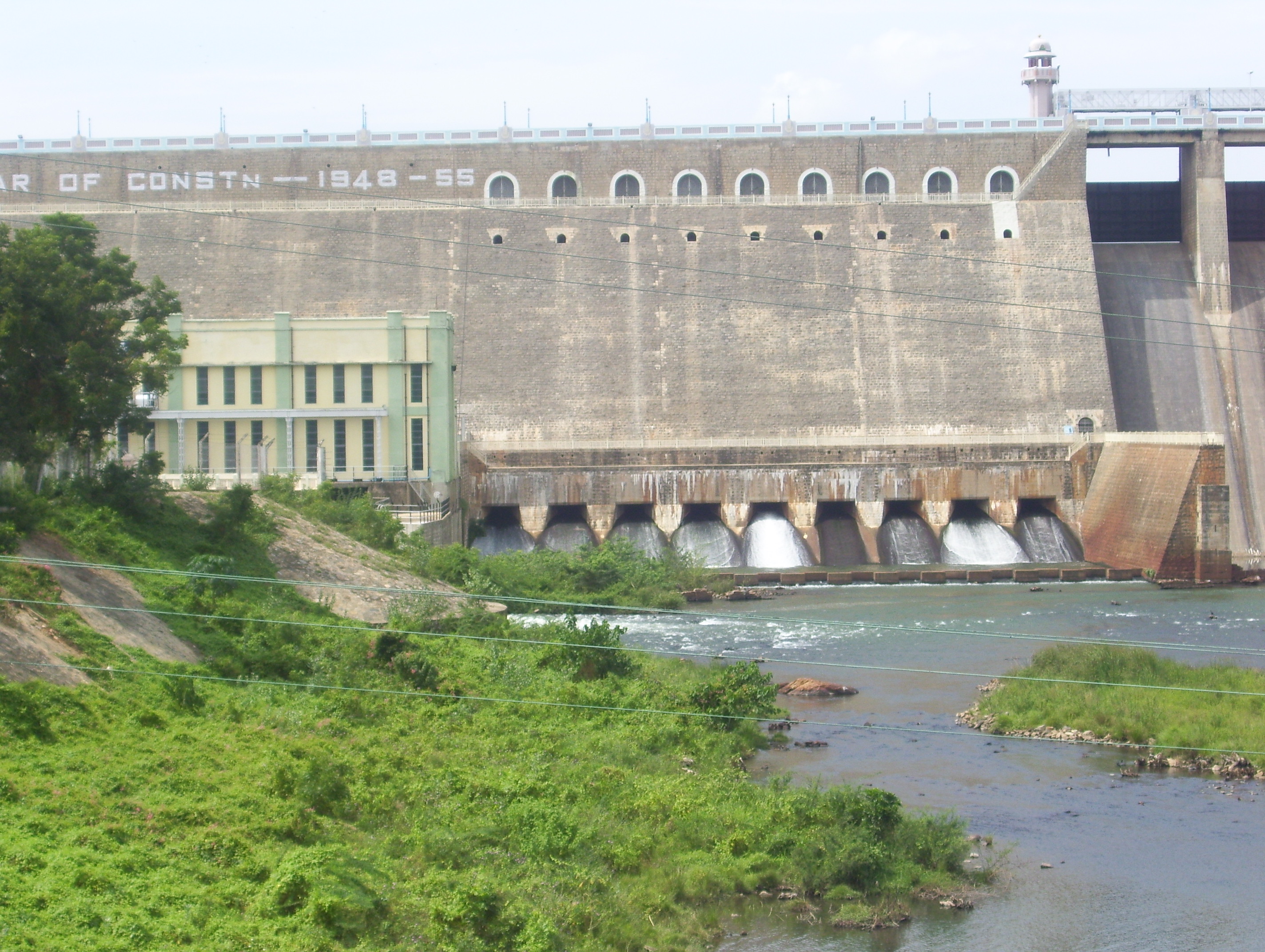
Dandanayakan Fort: Hoysala Commander's Fort forms part of Bhavani Sagar Dam Catchment Area.


Dandanayakan Fort submerged in Bhavani Sagar Dam. PC: Keetru 13 Dec 2012
Bhavani Sagar Dam aka Lower Bhavani Dam and Reservoir (Wikipedia)

Bhavani Sagar Dam aka Bhavani Sagar Dam and Reservoir is the prominent earthen dam in India .  The second largest dam in Tamil Nadu  is located  on the Bhavani River in Erode district, Tamil Nadu. The dam with a capacity to store 32.8 tmc of water feeds the Lower Bhavani Project Canal and forms the water source for  the vast swathes of land (2.45 lac acres of land) in Erode & Tiruppur Districts. The irrigation project was the first major irrigation project designed and developed in India after independence in 1947 and came to full function by 1956. It is one the favorite places for picnics and known for childerns' amusement, fun and gaiety.

Whenever the water level in Bhavani agar Dam goes down (total height of the dam -  32 m (105 ft) the visitors can view  the Danayakkan Kottai ‘டனாய்க்கன் கோட்டை’ aka Dhana Nayakan fort. Whenever water level reaches full height the fort gets submerged into the water. According to historians the fort dates back to 1292 and 1341. Before the construction of Bhavanisagar Dam and Reservoir the present catchment area of the dam was occupied by the Dhana Nayakan fort as well as villages like Kooduvoy (கூடுவாய்), Peerkadavu (பீர்க்கடவு) and Kuyyanur (குய்யனூர்). Once it was decided to construct the dam the native people were provided with alternate land for living.  The fort also bears some significant inscriptions.

Kongu Nadu region (Wikipedia)
This region was known as part of Kongu Nadu. Valasundara Kavirayar, probably a seventeenth century poet, hailing from Vijayamangalam (near Perundurai) versifies the borders of the Kongu mandalam as:

வடக்கு நந்திகிரி வராககிரி தெற்கு
குடக்கு பொறுப்பு வெள்ளிக்குன்று
களித்தன்டலை மேவு காவிரிசூழ்
நாடு-குளித்தன்டலை அளவு கொங்கு.  
 - கொங்குமண்டல சதகம்

According to his poem in Kongumandala sathakam (கொங்குமண்டல சதகம்), the Kongu Nadu was bound by Varaka Giri (Panrimalai mountain (பன்றிமலை) in the Palani-Kodaikkanal ranges (பழனி கொடைக்கானல் மலை) in the south, Kudagu (குடகு) and Vellikundru (வெள்ளிக்குன்று) (Kodagu (கொடகு) in the Madikeri dist. of Karnataka and Vellingiri hills (வெள்ளிங்கிரி) near Coimbatore) in the east and Nandigiri (நந்திகிரி) (Nandi hills in Kolar and Tumkur dists. of Karnataka) in the north. The native communities of Kongu Nadu includes Kongar (கொங்கர்), Kosar (கோசர்), Aviyar (அவியர்), Oviyar (ஓவியர்), Veliyar (வெளியர்), Velir (வேளிர்) etc. Agriculture was the major occupation of many of the people in and around this vast region.

The ancient Kongu country was ruled over by the Velir chiefs.  Sources indicate about an active trade between Kongu and the classical Romans during this period. At the end of Sangam Period from about 300 A.D.- 600 A.D., there is a lack of coherent information on the history of Kongu Nadu. The South Western region of Kongu was occupied by Chera rulers; South Eastern part by Pandya kings. Adiyas and Kadavas possessed Northern Kongu.

Imperial Cholas ruled the Kongu region except the south and south-western region which were controlled by the Pandyas and the Chera kings of the Perumal dynasty. During the 10th century A.D., Kongu came under autonomous rule of the members of the collateral Chera family for nearly 300 years and they assumed the titles and names of Imperial Cholas. Thereafter the Pandyas ruled for some time.

Hoysalas, a prominent Southern Indian Kannadiga empire, ruled most of the modern-day state of Karnataka and parts of Tamil Nadu.  The loss of Vira Someshwara (1235–1263) against Jatavarman Sundara Pandiyan resulted in the end of the Hoysala Empire. Jatavarman Sundara Pandiyan went inside Kannada country after conquering Tiruchy and occupied parts of Hoysala territory up to the Konkana coast and established his son Vira Pandiyan as ruler of those territories. The Imperial Cholas made alliance with Hoysalas and this  alliance with the Hoysalas did no good to the Cholas and with the death of Vira Someshwara. The Pandyans got hold of the Kongu territories, Chola Nadu and some of the Hoysala countries during the time and a new clan called Kongu Pandiyar (கொங்கு பாண்டியர்கள்) was established under Jatavarman Vira Pandiyan.

Vira Ballala III (மூன்றாம் வீர வல்லாளா) (1292-1343) was the eleventh and last ruler of Hoysala dynasty. In Karnataka the core area around Mysore right up to Tiruvannamalai (திருவண்ணாமலை) in Tamil Nadu was in the hands of Vira Ballala III. Around c.1310, Ballala III successfully played 'king maker' in the affairs of Tamil country by appointing Sundara Pandya (சுந்தர பாண்டியன்) as the Pandya king as opposed to his competitor, Vira Pandya (வீர பாண்டியன்). In 1327 A.D., Muhammad Tughlaq shifted his capital to Devagiri from Delhi and this has brought enormous Muslim armies dangerously close to the Hoysala capital of Dvarasamudra (துவாரசமுத்திரா). As a precaution, Vira Ballala III had established three capitals: Dvarasamudra (துவாரசமுத்திரா), Kundani  (குந்தாணி) and Tiruvannamalai (திருவண்ணாமலை). He also entrusted the task of defending the Northern frontier of the Hoysala kingdom to the five Sangama brothers (சங்கமா சகோதரர்கள்) of which Harihara and Bukkaraya (ஹரிஹர மற்றும் புக்க ராயா) are the most famous.

Vira Ballala III was engaged in near constant warfare with the genocidal regime of Bahmani and the Madurai Sultanates in desperate attempts to destroy it and liberate the deep south. He was over eighty years old at this time met a tragic end in 1342 AD at the hands of  Ghiyas-ud-din Damghan Shah, a successor of Ahsan Shah. This great defender of Dharma was captured in the decisive battle of Kannur-Koppam  and skinned alive by the blood thirsty Ghiyas-ud-din.

Hoysala Administration

Hoysala Administration was similar to Western Chalukya and Western Ganga Dynasties in relation to political and geographical segregation,  local administration, army and ministry. At the apex, the Hoysala king was supported by the cabinet comprising five ministers (Pancha Pradhanas). This figure grow into higher number at a later date.

Perumal Dandanayaka 

The commanders of the army was known as Dandanayaka (or Senadhipati). Perumal Dandanayaka was the commander of Vira Ballala III and he was responsible in conquering the Kongu Nadu. In order to respect his valor and faith of his Dandanayaka, Vira Ballala gave the part of Kongu Nadu as a gift to Perumal Dandanayaka. The army commander built a fort and ruled this Kongu region. Over a period of Dandanayaka Fort was transformed as Dhannanayaka Fort (தண்ணநாய்க்கன் கோட்டை) and further damaged to Danayakan Fort (டனாய்க்கன் கோட்டை).

Someswara Mangalambika Temple


The Hoysala temple dedicated to Someswara Mangalambika (சோமேஸ்வர மங்களாம்பிகை கோவில்) temple built by Narasimha III (1263–1292) in memory of his father Vira Someswara (1235–1263) is also located nearer to this fort. During Muslim invasion, the forts and Hindu temples were ransacked by the mugal and this fort and temple were also ransacked. Over the years Hoysala came back to power and renovated the fort and the temple. One Ballaya-danadanayakkan (Valiya-dandanayakkan as per inscription) son of  Dutapillai-dandanayakkan of Aranappuram of Madurantakam in Tondaimandalam, undertook the renovation.

Renovation of Someswara Temple by  Ballaya-danadanayakkan

The  undated inscription on the wall of the central shrine, Varadaraja-Perumal temple, Alambakkam, Lalgudi Taluk, Tiruchirapalli District  comprise two sections. The first section is composed in verse as well as in prose and the other section is in prose only. The inscription in verse refers about the renovation of the temples of Dachchina Kailayamudaiyar and Tirumerkoyil (the temple in the west, i. e., Vishnu). The lithic record in prose (below the verse portion) refers about the one Valiya Dandanayakkan (Ballaya-danadanayakkan), son of  Adappillai-dandanayakkan of [Aranappuram] of Madurantakam in Tondaimandalam, who was a dandanayaka  of Narasingadevan (Narasimha III), caused the repairs to this Sri vimana  (of the a central shrine or sanctum) on which the record is inscribed. 

The inscription does not provide the name of the temple. This general or dandanayaka is identical with his namesake who is mentioned as the son of Dutapillai-dandanayakkan in the Tamil portion and as the arbhaka  (son) of Duta in Sanskrit verse in a record (S. I. I., Vol. V, No. 659, verse 1, line 1) from Tirumalavadi in Udaiyarpalayam Taluk of the same district. It is possible that their overlord Narasimha mentioned in these two inscriptions is evidently the same as Hoysala Narasimha III (1263–1292), who held sway over this area. It may be said from the above records that his reign period witnessed many benevolent acts including the construction of a tank called Madurantakappereri. One the grounds of paleography Narasimha may be considered to be identical with the second king of that name. The temple may be considered as Someswara Mangalambika (சோமேஸ்வர மங்களாம்பிகை கோவில்) temple built by Narasimha III (1263–1292). 

Reference:

  1. South Indian Inscriptions. Volume 26 Introduction_2
  2. Vijayangar Chapter 6: The Great war of Liberation
  3. அணைக்குள் மூழ்கிக் கிடக்கும் கோட்டை தினகரன்
  4. பவானிசாகர் அணைக்குள் மூழ்கிக் கிடக்கும் பழம்பெரும் கோட்டை தினமலர் 01 ஆகஸ்ட் 2010
  5. பவானிசாகர் அணையில் நீர் மட்டம் குறைந்ததால் வெளியே தெரியும் கோட்டை கோவில் மாலைமலர் மே 27 2012
  6. பவானிசாகர் நீர்மட்டம் சரிவு கோயில்கள் வெளியில் தெரிகின்றன தமிழ் முரசு 08 March  2013
  7. சத்தியமங்கலம் வனம் - தமிழகத்தின் பசுமை நுரையீரல் கீற்று  13 டிசம்பர் 2012

Wednesday, September 16, 2015

Penneswaramadam Temple Inscription: How the Vira Ramanatha, Hoysala Ruler kept corruption at bay?


Sri Vedanayagi sameda Penneswara Nayanar temple
  • பென்னேஸ்வர மடம் கோயிலில் உள்ள கல்வெட்டை காட்டுகிறார் வரலாற்று ஆய்வாளர் சுகவன முருகன்.
    Sugavana Murugan, Freelance Archaeologist shows the Hoysala King Vira Ramanatha's inscription in Penneswaramadam Temple, Krishnagiri District, Tamil Nadu.
  • தலை துண்டிக்கப்பட்டவரின் உருவம் கொண்ட கல்வெட்டு.
    நவகண்டம் கல்வெட்டு.
The temples, during 13th century Hoysala rule, were degraded themselves to grossly corrupt practices. Vira Ramanatha (1253 to 1295 A.D.), the tenth Hoysala ruler showed  zero tolerance towards corruption. The Tamil Grantha inscription inscribed by the king in Penneswara Nayanar, Penneswaramadam clearly indicate how intolerant against corrupt practices and the violators of ethical framework. The Hoysala king has adopted anti-corruption measures in favor of his people.

Shri. Sugavana Murugan (pudhuezuthu), the scholar,  a government school teacher and also a freelance archaeologist, District Archaeology Centre of Kaveripattinam, Krishnagiri district has informed about the recording of the Tamil Grantha inscription by Shri. Su. Rajagopal and Shri. Su. Krishnamoorthy of the State Department of Archaeology.

The translation of the inscription in the Tamil Grantha script has been recorded by Su. Rajagopal and Su. Krishnamoorthy of the State Department of Archaeology, says Sugavana Murugan of the District Archaeology Centre. 
Penneswaramadam,  a panchayat village located on the bank of the South Pennar River  in Krishnagiri taluk Krishnagiri district PIN 635112. The village is approximately 100 kilometres  from Bangalore and.5 km from Kaveripattinam and 34 km from Dharmapuri. Penneswaramadam is geographically located at latitude 12 ° 23′0'' and longitude 12 ° 23′0''. Near by railway Stations are Bangarapet.

The 12th century Chola temple dedicated to Penneswara Nayanar (Lord Shiva) and his consort Sri Vedanayagi Amman.   The Penneswara Nayanar Shrine consists of a vimana, ardhamandapa and mukhamandapa. The vimana is a single tier structure with an adhishthana, pada, prastara, shikara, griva and stupi. The roofs of ardhamandapa and mukha mandapa are supported by vratta sthambas. The sanctum of the prime deity is facing east. The seven tier rajagopuram faces the south.

The vimana is surrounded by the cloister mandapa (thiruchurru malikai) with a row of pillars in the periphery. Subsidiary shrines for Vinayaka, Saptamatrikas, Surya and Chandra. The sanctum at the north-west corner of the temple houses the goddess Sri.Vedanayaki Amman. To the west there is a shrine for Rama, Lakshmana, Sita and Hanuman.

The Penneswara Nayanar temple also owns Navagandam panels. The specialty of the temple is that there is a practice of navagandam. Navagandam is the practice of individuals slicing their neck with a sword to the goddess. The supreme sacrifice often committed Kottravai, the war deity, involves in chopping off nine parts of one’s own body progressively. The individual offers his life for the welfare of the ruler and success in battles he leads.

Krishnagiri Region 

The present Krishnagiri and Dharmapuri district was known as 'Adhiayaman Nadu'. It was ruled by  Pallavas, Gangas, Nulambas, Cholas, Hoysalas, Vijaya Nagar Emperors, Bijapur Sultans, Wudayars of Mysore and Nayaks of Madurai. The regions including  'Krishnagiri', 'Hosur' and 'Uthangarai' were forming part of 'Eyil Nadu', 'Murasu Nadu' and 'Kowoor Nadu' respectively. Under Chola rule, Krishnagiri region was known as 'Nigarili Chola Mandlam' and 'Vidhugadhazhagi Nallur'. During 'Nulamba' rule it was called as 'Nulambadi.'  The 'Bara Mahal' Forts and the Krishnagiri region served as the west gateway of Tamil Nadu and defended the invasions. The Hoysala king Vira Ramanatha made "Kundani" a place in Krishnagiri District as his Head Quarters in 13th Century A.D. 

Inscriptions     

Over forty inscriptions have been discovered from this temple complex. They belonged to the reign of Hoysala, Chola and Vijayanagara kings. They have gifted gold, tax free land and other gifts to Penneswara Nayanar of Penneswaram. The inscription of Vira Narasimha, the Hoysala King records the land donation to the Pannai Nayanar by one Madurantaka Viranulamban Vairavan Vimalan. The land records also mention about lands located in Peruman Koyil Kollai, Thattankuttai, Mahadevan Kollai, Sirukkan Kollai, Puliyamadai etc.

An inscription of Vira Ramanatha Devarisa found in Tamil Grantha script - Tamil language on the wall of the Penneswara Nayanar temple in , Penneswaramadam is of great significance. It records the royal order issued by the Hoysala ruler Vira Ramanatha, dated regnal year 46.

"ஸ்ரீ வீரராமந்நாத தேவரீஸர்க்கு யாண்டு நாற்பத்தொன்றாவது உடையார் பெண்ணையாண்டார் மடத்தி லும் பெண்ணை நாயனார் தேவதானமான ஊர்களிலும் ஒரு அதிகாரியாதல் கணக்கர் காரியஞ் செய்வார்களாதல் கூசராதல் ஆரேனுமொருவர் வந்து விட்டது விடாமல் சோறு வேண்டுதல் மற்றேதேனும் நலிவுகள் செய்குதல் செய்தாருண்டாகில் தாங்களே அவர்களைத் தலையைஅறுத்துவிடவும் அப்படி செய்திலர் களாதல் தங்கள் தலைகளோடே போமென்னும்படிறெயப்புத்த பண்ணி இதுவே சாதனமாகக் கொண்டு ஆங்கு வந்து நலிந்தவர் களைத் தாங்களே ஆஞ்ஞை பண்ணிக் கொள்ளவும் சீ காரியமாகத்தாங்க . . . த. . . போதும் போன அமுதுபடிக் குடலாக ஸர்வ மானிய மாகக் குடுத்தோம். அனைத் தாயமு விட்டுக்கு . . .கூசர் உள்ளிட்டார் பையூரிலே இருக்கவும் சொன்னோம். இப்படியாதே இதுக்கு விலங்கனம் பன்னினவன் கெங்கைக் கரையில் குராற் பசுவைக் கொன்றான் பாவத்தைக் கொள்வான்" 

Meaning: "The record is dated in the 49th year of king Sri Viraramanatha Devarisar. Anybody seeking cooked food or indulging in other corrupt practices in Pennaiyaandaar madam (பெண்ணையாண்டார் மடம்) and its endowed land (Pennai Nayanar devadanamana oorgalilum - பெண்ணை நாயனார் தேவதானமான ஊர்களிலும்) shall be beheaded, and any official like Kannakkar, Adhigaarigal (அதிகாரியாதல் கணக்கர் காரியஞ் செய்வார்களாதல்) refusing to act on this order will face a similar fate.”   Registers an endowment of  land (ஸர்வ மானிய மாகக் குடுத்தோம்) for feeding the poor mendicants (நலிந்தவர்கள்). The order was strictly enforced. Whenever one violates the natural moral order established by the king, one sins and incur the sin of killing cow (குராற் பசு) on the bank of river Ganges.

Savulur Panchayat Union Middle School students have discovered a pre-historic site near Penneswara Nayanar  temple during April 2015. They have also collected artefacts dating back to 2000 years from the site near the temple.

In the Vijayanagar period, Madras Port became a well known port. This is evident from a Vijayanagar inscription found in Penneswaramadam, on the banks of the Pennar, to the South of Kaveripattinam. The inscription is dated July 21, 1367. It is about the digging of a canal in the time of Kampanna II. “This king’s conquests and victories in Tamil territory are also recorded in this inscription, and the names of ports, forts and villages on the East Coast, which he captured from Tondaiman, give us clues about Maadarasanpattanam,” says Rajavelu.

History of Hoysalas
  • Place        Karnataka
  • Period        10th to 14th Century
  • Language    Kannada
  • Religion    Hindu
  • Hoysala Kings: 1. Nripa Kama II (1000 to 1045 A.D.), 2. Hoysala Vinayaditya (1045 to 1098 A.D.), 3. Ereyanga (1098 to 1100 A.D.), 4. Veera Ballala I (1100 to 1108 A.D.), 5. Vishnuvardhana (1108 to 1142), 6. Narasimha I (1142 to 1173 A.D.), 7. Veera Ballala II (1173 to 1220 A.D.), 8. Vira Narasimha II (1220 to 1235 A.D.), 9. Vira Someshwara (1235 to 1253 A.D.),  10. Narasimha III and Vira Ramanatha (1253 to 1295) and 11.Veera Ballala III (1295 to 1342. A.D.).
The 346 year rule of the  Hoysala dynasty (1000 A.D. to 1346 A.D.) is looked at as the second most flourishing and mighty period in the Karnataka history next to the powerful Vijayanagara Empire. This South Indian Kannadiga empire ruled most of modern day state of Karnataka and Belur was their capital during initial 150 years and later moved to Halebid due to hostility and repeated invasions. Taking advantage of the warfare between the then Western Chalukyas and Kalachuri kingdoms, they also conquered the present day Karnataka and the fertile areas north of the Kaveri River delta of the present day Tamil Nadu. By 13th century, they governed most part of the of the present-day Karnataka, minor parts of Tamil Nadu and parts of western Andhra Pradesh in Deccan India. Narasimha II, the seventh Hoysala ruler conquered Tiruvannamalai in Tamil Naduto make it his winter capital. 
 
Vira Somesvara (1235 to 1253 A.D.), before his death bifurcated his kingdom between his two sons, Veera Narasimha and Vira Ramanatha. His sons, however, later fought a civil war. Vira Ramanatha confederated himself with Rajendra Chola Deva III. Both were later to be overpowered by Maravarman Kulasekara Pandiya, who impounded their territorial dominion. Vira Narasimha's successor was Ballala III aka Veera Vallalan, Emperor of the South (1291 - 1342 AD). Although still hostile, Ballala's succession was not disputed by Vira Ramanatha, thus Ballala was able to rule over a united Hoysala Kingdom until approximately by  1300 A.D.
Vira Ramanatha's accession to the Tamil districts took place about 1255 A.D. and his inscriptions of the 12th, 15th and in the 17th years, which correspond to 1267, 1270 and 1271 A.D. are found at Srirangam and Kannanur. The king attended to the checking of the revenue accounts in the 4th year of his reign; the communal repairs made to the Vanigan's well now known as Nalummulaikkeni at Tiruvellarai, whose walls it is stated, had sunk in on the four sides probably on account of heavy rains in the 8th year of the king, and exempted the tax on salt dealers at Tirumalavadi. He made to the temple of Sri Ranganatha at Srirangam, a gift of a gold crown set with jewels, two fly whisks with the handle of gold and a kalanji (betel pot). He was succeeded by his son Vira Viswanatha in 1293 - 94 A.D; after which the kingdom merged into then rising power of Vijayanagara Empire.  

These rulers were initially inspired by Jainism but from the Vishnuvardhana’s period onwards they were all Vaishnava Hindus and were great patrons of the temple architecture of Belur, Halebid and Somanathpura. The Hoysala dynasty is well remembered for the the hallmark of their temple architecture as well as for the exquisite workmanship on a massive scale in Belur, Halebid, Somanathapur, Arasikere and Amritapura in the Karnataka State and Tiruvannamalai in Tamil Nadu.

Reference:

  1. History of Krishnagiri District  http://www.krishnagiri.tn.nic.in/history.htm
  2. Hoyala Dynasty. Indian Mirror.com  http://www.indianmirror.com/dynasty/hoysaladynasty.html
  3. Madras is not alien by Suganthy Krishnamachary. The Hindu August 21, 2014
  4. Perils of corruption: a note from Hoysala ruler by PV Srividya. The Hindu  October 11, 2014
  5. லஞ்சம் வாங்கினாலும், கொடுத்தாலும் மரண தண்டனை விதித்த மன்னன்: 700 ஆண்டுகளுக்கு முந்தைய கல்வெட்டில் தகவல். எஸ்.கே.ரமேஷ். தி இந்து அக்டோபர்  10, 2014

Monday, August 31, 2015

Rajaraja Chola I Inscription in Big Temple Thanjavur: Arithmetic of Banana Fruits Offerings to Vinayaka


Thanjavur Big Temple aka Rajarajesvaram. Ganesa Shrine @  South - West
Banana Fruit Offering to Vinayaka Shrine in Big Temple, Thanjavur


The Chola dynasty, one of the longest-ruling dynasties (850 -1250 AD) in Southern India,  built the temples over a period of nearly 200 years. The Brihadeeswarar Temple or Peruvudaiyar Kovil, also known as Rajarajeswaram, at Thanjavur in Tamil Nadu is not only the greatest glories of Chola architecture with its Dravidian style of temple, tall vimanam, finest sculptures, murals and carvings, but also a repository of the Imperium's records inscribed on the walls of the vimanam, pillars and podium. According to Dr. R. Nagaswamy, former Director, Tamil Nadu Archaeology Department, the Brihadeeswarar Temple 'is the only temple in the whole of India, wherein the builder himself has left behind a very large number of inscriptions on the temple's construction, its various parts, the daily rituals to be performed for the Linga, the details of the offerings such as jewellery, flowers and textiles, the special worship to be performed, the particular days on which they should be performed, the monthly and annual festivals, and so on.' There are inscriptions in this temple focusing on temple staff including drummers, flag and parasol bearers, torch bearers, tailors, surgeons, physicians etc, their qualifications, duties, responsibilities, tenure and terms of service. The temple also employed singers to recite the Tamil and Sanskrit hymns including Devaram (Pathiyam Paduvar) as well as 400 danseuses (Talipnedir) to dance during temple festival processions and daily pooja rituals.

The Imperium under Rajaraja Chola I had a 3-tiered administration system which provided enough decentralization without making for a weak Center. Their superior irrigation system is responsible for that region to be among the granaries of South IndiaThe Exchequer of Rajarajesvaramutaiyar was functioning like the Nationalized Banks in India. The emperor gave extensive grants to this temple. Let me quote the famous inscription of Thanjavur Big Temple:

நாம் கொடுத்தனவும் நம் அக்கன் கொடுத்தனவும் நம் பெண்டுகள் கொடுத்தனவும் கொடுப்பார் கொடுத்தனவும்...இந்தக் கல்லிலே வெட்டியருளுக என்று திருவாய்மொழிஞ்சருளி....."
‘Naam kuduthanavum nam akkaan kuduthanavum nam pendugal koduthanavum koduthar koduthanavum…inthak kallile vettiyaruluka enru thiruvoy mozhintharuli’

Meaning: Inscribe all the grants to the Big Temple on the wall of the Vimana of the prime deity including What I have contributed; What my elder sister has contributed; What my wives have contributed and Whatever person has contributed.

The site for building temple was gifted by the public from the town or village. The Chola king donated the agriculture land for the maintenance of the temple. Provisions such as rice, dal. ghee, salt, pepper, vegetables, betel leaves, areca nut etc, were accepted as gift from public.  The Chola temples served not only as places of worship but also as centers of public administration, judiciary and community welfare institutions and secular and cultural spaces authorized to handle public finance. They were also run as corporations. They were authorized issue land grants and empowered to invest their assets as they considered fit. They also functioned as banks and inscribed (recorded) the contributions and investments from the king and public. Temples also employed huge skilled manpower - artisans, padiyam (Devaram) reciters, musicians, dancers (devadasis) etc.  The sabhas or assemblies also provided free Vedic education, food, shelter and even medication to the upper caste boys within temple premises.

The inscriptions also tell about the two divisions of Thanjavur city: Ullalai (inner city) and Purambadi (city outskirts). Purambadi, built during the reign of Rajaraja I, could have been the outskirts of the proper city. The Tribhuvanamadeviyar big market and the big streets named after the titles of Rajaraja I, i.e, Virasola street, Nitta Vinoda street, Mummudichola street, Viraigamani street etc. A public hospital attached to a Vishnu temple named after Sundara Chola, called Sundarachola Vinnagara Salai, endowed by Kundavai, the sister of Rajaraja Chola, had existed. 

Vinayaka shrine is the subsidiary shrine located in the south west corner of the of the cloistered mandapa (திருச்சுற்று மாளிகை) in the Big temple. This Vinayaka idol belongs to Chola period and was consecrated by Rajaraja Chola I himself. There is another Ganesa shrine built in 1803 and consecrated by Maratha King Serfoji II.  The goddess shrine was added by the Pandyas during 13th century. The shrine of the Subramanya  was also added in the 17th century by Vijayanagara kings. 

 Rajaraja Chola I made many gold jewelry offerings including two bracelets ("பாகுவளையம்") to this Vinayaka. The Chola inscriptions call this Vinayagar shrineas "Parivaara aalayathup pillaiyar."  The inscription (South Indian Inscriptions Vol II, p.150.) of Rajaraja Chola I, inscribed  on the external front wall of the Vinayakar shrine, dictates the offering of 150 banana fruits daily as donation for preparation of banana amuthu (வாழைப்பழ அமுது) for the pooja rituals of  'Sri Rajaraja Thevar Temple Pillaiyar Ganapathiyar' (ஸ்ரீ ராஜராஜ தேவர் ஆலயத்துப் பிள்ளையார் கணபதியார்). For the uninterrupted provision of banana fruits in specified number, Rajaraja Chola I opened a customized recurring deposit ( ‘வைப்புக்கணக்கை’) account  in the names of merchants (‘நகரத்தார்’) belonging to four different streets located in the Thanjavur outskirts (தஞ்சாவூர்ப் புறம்படி) at Thanjavur, (a city) in Thanjavur –kurram (தஞ்சாவூர்க் கூற்றம்), (a subdivision) of Pandyakulasani-Valanadu. According to this scheme, the merchants four streets shall remit 360 kasus (Chola coin currency) as recurring deposit.  1.  60 kasus by merchants of Nitta Vinoda Street ; 2. 120 kasus by merchants of Mummudi Chola Street ; 3. 120 kasus by merchants of Virasigamani Street  and 4. 60 kasus by merchants of Tiribhuvana Maadevi Big Bazaar) total 360 kasus. The Annual Interest of 45 kasus at the rate of 12.5 %, accrued on this recurring deposit, shall be used for purchase and supply 150 banana fruits per day for daily offerings to 'Sri Rajaraja Thevar Temple Pillaiyar Ganapathiyar' (ஸ்ரீ ராஜராஜ தேவர் ஆலயத்துப் பிள்ளையார் கணபதியார்).

How the Chola emperor calculated the number of banana fruits requirement as 150 per day? The arithmetic is tricky. For one coin 1200 banana fruits can be purchased (!). From 45 kaus i.e, the interest accrued for one year 1200 x 45 = 54000 (fifty four thousand only) banana fruits can be purchased. If the dividend of 54000 fruits (annual requirement)  divided by the divisor 150 (daily requirement), the quotient will be 360 with nil remainder. As per Chola calendar system an year comprise only 360 days.
Kasus 45 x 1200 = 54000 banana fruits  

banana fruits 54000 / 150 = 360 Days 

Table 1: Deposits received from Streets; Amount as Deposit; Interest Rate; One Year Interest and No. of Banana fruits required per Day 

No Street Deposit
in Kasu
Interest
Rate (Kasu)
1 Yr
Interest
Bananas / Day
1 Nitta Vinoda Street 60 1/8 7 1/2 25 Nos
2 Mummudi Chola Street 120 1/8 15 50 Nos
3 Virasigamani Street 120 1/8 15 50 Nos
4 Tiribhuvana Maadevi Bazaar 60 1/8 7 1/2 25 Nos


360
45 Kasu 150 Nos

At present inflation is showing no sign of easing. It is not only the seasonal vegetables that are escalating in price but also the basic vegetable like  onion and tomato prices have shot through the roof in the Indian metros. The Indian onion crisis of 2015 describes the dramatic rise in the cost of onions across markets in India. The crisis was caused by errant rainfall in the onion producing regions which led to a shortage of onion production. Similarly winter fruits like apple, pomegranate, guavas, and grapes are selling at higher prices.

During Imperial Chola rule the price of banana fruit remained constant over a period of time i.e, there was inflation or devaluation of money. How it was possible for Rajaraja Chola I to contain the commodities price?

The Big Temple aka Rajarajesvaram also functioned like the 'exchequer' during Chola period. It was known as 'Exchequer of Rajarajesvaramutaiyar' (‘ராஜராஜேஸ்வரமுடையார் பெரும்பண்டாரம்’) and the total revenue of Rajarajesvaram was unified under this head. It also remained as the center of the Chola administration for many years, channeling the state revenue into a number of civic projects. If the gifts in coins (காசுக்கொடை), the interest  amount realized was mentioned as polisai kasu (பொலிசை காசு). The capital investment received to this exchequer was again disbursed to merchants and village sabhas on loan. An interest of 1/8 coin i.e, 12.5 per cent, was levied as interest for every coin. The Chola inscriptions indicate such interest as 'Polisai' (பொலிசை) or Polisai Interest (‘பொலிசை வட்டி’).

Gold gifts expressed in weighing units such as Kalanju. Kundrimani (Abrus precatorius) and  Manjadi (Adenanthera pavonina) are very consistent in weight. Ancient Tamils  was used both the seeds as units of weight to weigh gold using a measure called kunrimani seed (0.133 gm) and manjadi seed (approximately 0.266 gm). Twenty manjadis or  forty kundrimanis made one Kalanju (5.320 gms or approximately 1.5 sovereign). Thirty manjadis or sixty kundrimanis made one sovereign or poun weighing 7.98 gm.  

They issued 3 types of coins over 12 centuries ago. Kalanju was the currency prevalent in the Chola kingdom. One kasu would correspond to the value of 24 kuruni (one kuruni = 8 kg; 24 x 8 = 192 kg) or 2 kalam (one kalam = 91 kg) of paddy.  T.Desikachari in his book 'South Indian Coins' provides details about Chola coins. 'Chola inscriptions constantly refer to the Madurantaka Madai as a coin with reference to which the fitness and weight of other coins in gold had to be tested. The madai was probably equal to a Kalanju while the panam was equal to a Manjadi. The Rajarajan kasu mentioned in the Chola inscriptions of Tanjore seems to be varied from 3/4 to 15/16 of a Kalanju.... 'Pon' and 'Kasu' are likewise used for gold coins in the Chola period.' 

Inscription in Tamil Script

“ஸ்வாதிஸ்தி ஸ்ரீ உடையார் ஸ்ரீ ராஜராஜ தேவர் ஆலயத்துப் பிள்ளையார் கணபதியார்க்கு வாழைப்பழம் அமுது செய்தருள உடையார் பண்டாரத்துப் பொலிசையூட்டுக்கு வைத்தருளின காசும் இக்காசு பொலிசையூட்டுக்கு கொண்ட அங்காடிகளும் கல்லில் வெட்டியது.

Hail! Prosperity! There was engraved on stone  the money, which the lord Sri-Rarajadeva had been pleased to deposit in the treasury of the lord, to be put out to interest (for supplying) plantains, to be offered to (the image of) Pillaiyar Ganapati in the (surrounding) hall (alaya), and the markets, which had received this money on interest.

ஆலயத்துப் பிள்ளையார் கணபதியார்க்கு அமுது செய்தருள நிசதம் வாழைப்பழம் நூற்றைம்பதாக ஒராட்டைக்கு வந்த வாழைப்பழம் ஐம்பத்து நாலாயிரத்துக்கு காசு ஒன்றுக்கு வாழைப்பழம் ஆயிரத்திருநூறாக வந்த காசு நாற்பத்து ஐஞ்சுக்கு காசு ஒன்றுக்கு ஆட்டை வட்டம் அரைகாற் காசு பொலிசையூட்டாக  செல்லவைத்த காசு முன்னூற்று அறுபது

Three hundred and sixty kasu were deposited (under the condition) that, as long as the moon and the sun endure, an interest of one eighth kasu per year should be paid for each kasu, in order to realize forty-five kasu for (purchasing), — at the rate of one thousand and two hundred plantains for each kasu, — fifty-four thousand platains per year, viz., one hundred and fifty plantains per day, to be offered to (the image of) Pillaiyar Ganapati in the (surrounding) hall.

இக்காசில் தஞ்சாவூர்க் கூற்றத்து தஞ்சாவூர்ப் புறம்படி நித்த விநோதகப் பெருந்தெருவில் நகரத்தார் உடையார் ஸ்ரீ ராஜ ராஜ தேவர்க்கு யாண்டு இருபத்தொன்பதாவது பசான் முதல் கொண்ட காசு அறுபதினாற் காசு ஒன்றுக்கு ஆட்டை வட்டம் அரைக்காற் காசு பொலிசையாகக் கடவ பொலிசைக் காசு ஏழரைக்கு  உடையார் பண்டாரத்தே நிசதம் இடக்கடவ வாழைப்பழம் இருபத்தைஞ்சு

The citizens of the high-street (perunderu) (called after) Nittavinoda within the limits of Tanjavur, (a city) in Tanjavur-kurram, have to supply every day, as long as the moon and the sun endure, twenty-five plantains to the treasury of the lord in payment of the interest, — which amounts to seven and a half kasu (per year), — on the sixty kasu, which they have received out of this money after (the harvest of) the pasan in the twenty-ninth year (of the reign) of the lord Sri-Rajarajadeva, — the rate of interest being one eighth kasu per year for each kasu.

தஞ்சாவூர்க் கூற்றத்து தஞ்சாவூர்ப் புறம்படி மும்முடிச் சோழப் பெருந்தெருவில் நகரத்தார் உடையார் ஸ்ரீ ராஜ ராஜ தேவர்க்கு யாண்டு இருபத்தொன்பதாவது பசான் முதல் கொண்ட காசு நூற்றிரு பதினாற் காசு ஒன்றுக்கு ஆட்டை வட்டம் அரைக்காற் காசு பொலிசையாகக் கடவ பொலிசைக் காசு பதினைஞ்சுக்கு  உடையார் பண்டாரத்தே நிசதம் இடக்கடவ வாழைப்பழம் ஐம்பது

The citizens of the high-street (called after) Mummudi-Sora within the limits of Tanjavur, (a city) in Tanjavur-kurram, have to supply every day, as long as the moon and the sun endure, fifty plantains to the treasury of the lord in payment of the interest, which amounts to fifteen kasu (per year), — on the one hundred and twenty kasu, which they have received after (the harvest of) the pasan in the twenty-ninth year (of the reign) of the lord Sri-Rajarajadeva, — the rate of interest being one eighth kasu per year for each kasu.

தஞ்சாவூர்க் கூற்றத்து தஞ்சாவூர்ப் புறம்படி வீரசிகாமனிப் பெருந்தெருவில் நகரத்தார் உடையார் ஸ்ரீ ராஜ ராஜ தேவர்க்கு யாண்டு இருபத்தொன்பதாவது பசான் முதல் கொண்ட காசு நூற்றிரு பதினால் காசு ஒன்றுக்கு ஆட்டை வட்டம் அரைக்காற் காசு பொலிசையூட்டாக ஆட்டை வட்டம் அரைக்காற் காசு பொலிசையாகக் கடவ பொலிசைக் காசு பதினைஞ்சுக்கு  உடையார் பண்டாரத்தே நிசதம் இடக்கடவ வாழைப்பழம் ஐம்பது

The citizens of the high-street (called after) Virasikhamani within the limits of Tanjavur, (a city) in Tanjavur-kurram, have to supply every day, as long as the moon and the sun endure, fifty plantains to the treasury of the lord in payment of the interest, which amounts to fifteen kasu (per year), — on the one hundred and twenty kasu, which they have received after (the harvest of) the pasan in the twenty-ninth year (of the reign) of the lord Sri-Rajarajadeva, — the rate of interest being one eighth kasu per year for each kasu.

தஞ்சாவூர்க் கூற்றத்து தஞ்சாவூர்ப் புறம்படி திரிபுவன மாதவிப் பேரங்காடி நகரத்தார் உடையார் ஸ்ரீ ராஜ ராஜ தேவர்க்கு யாண்டு இருபத்தொன்பதாவது பசான் முதல் கொண்ட காசு அறுபதினாற் காசு ஒன்றுக்கு ஆட்டை வட்டம் அரைக்காற் காசு பொலிசையாகக் கடவ பொலிசைக் காசு ஏழரைக்கு  உடையார் பண்டாரத்தே நிசதம் இடக்கடவ வாழைப்பழம் இருபத்தைஞ்சு”

The citizens of the great market (per-angadi) (called after) Tribhuvanamahadevi within the limits of Tanjavur, (a city) in Tanjavur-kurram, have to supply every day, as long as the moon and the sun endure, twenty-five plantains to the treasury of the lord in payment of the interest, — which amounts to seven and a half kasu (per year), — on the sixty kasu, which they have received after (the harvest of) the pasan in the twenty-ninth year (of the reign) of the lord Sri-Rajarajadeva, — the rate of interest being one eighth kasu per year for each kasu.

Reference

  1. Desikachari, T. South Indian Coins. Asian Educational Services. New Delhi. 1991. 231 pages
  2. Raja Raja Chola I (முதலாம் இராசராச சோழன்) Fact File Know Your Heritage. Blogspot. Wednesday, July 30, 2014
  3. South Indian inscriptions Vol II page 150, Edn 1892 – 1983 ASI Navrang Pub – Prof E. Hultzsch
  4. இராஜராஜன் வழிபட்ட பிள்ளையார். டாக்டர். இரா. நாகசாமி.  
  5. தஞ்சைப் பெரிய கோயில்: ஆயிரம் ஆண்டு அற்புதம். தஞ்சை வெ. கோபாலன். தி இந்து (தமிழ்) செப் 25, 2010
 

Thursday, August 27, 2015

The Madras Literary Society, Colonial Lending Library: Attracts Chennai Photowalkers


Chennai Photowalk wanted to schedule and cover four important monuments in a photowalk during the Madras Week 2015 celebrations i.e, 1.  Freemasons’ Hall, 14 Ethiraj Salai, Egmore, Chennai-600008; 2. Madras Literary Society (MLS) library,  DPI Complex,, College Road, Chennai, 600006; 3. ‘Doveton House’ (built in 1798), Women's Christian College, College Road, Nungambakkam, Chennai 600006; and 4.  Regional Meteorological Centre, Chennai, Old No.50, New No. 6, College Road,  Nungambakkam, ( Near Shastri Bhavan) Chennai - 600034. Obtaining permission was appearing as tedious process. To our surprise 'History and Heritage of the Cooum River' a power point presentation was arranged in MLS Library on 15th August 2015 between 3.00 and 04.30 pm by Cooum Cultural Mapping group, Chennai. Chennai Photowalk arranged Walk # 1, a photowalk in consultation with PSG to visit the 203 year old MLS Library on the same date between 2.00 and 3.00 pm.

Mr.Venkatesh Ramakrishnan and Mr.T.R. Shashwath of Cooum Cultural Mapping group were already available in the premises. The young architect Ms.Thirupurasundari Sevvel, who loves to research into traditional architecture, is on a mission to preserve and revive the aura of the past. Since she is very keen in taking part in events that offer an opportunity to celebrate the city’s heritage, she made her presence in MLS along with volunteers of her Nam Veedu Nam Oor Nam Kadhai team.

Ms.T Sundari also plays an active role in MLS Library maintenance, use promotion and conservation of Library collections. The Librarian displayed few prestigious rare monographs held in the collection. The architect was explaining the history of MLS, the library building designed and developed in accordance with Indo Saracenic architecture with Rajasthani style elements i.e, brick and lime mortar wall, Madras  roof, Cuddapah slab flooring, high ceiling with interiors, tall windows with Jharokha balconies, designer jalli, ornate cornice molding along the top of an exterior wall etc. 

Mr.Mohan Raman, Secretary MLS welcomed the gathering. Mr. Sriram Venkatakrishnan, the heritage activist,  INTACH convener for the Chennai region, The Hindu columnist (column titled Hidden Histories)  and the editor of Madras Musings newspaper addressed the gathering for about 0.15 mts. on MLS. It was followed by power point presentation by Mr.Venkatesh Ramakrishnan and T.R. Shashwath on History and Heritage of the Cooum River. The following paragraphs may give you an understanding about the MLS Library:

Madras Literary Society Library 
Address: DPI Complex,, College Road, Nungambakkam, Chennai, Tamil Nadu 600006
Phone:044 2827 9666
Founded in: 1812  - 203 year old library

History:


The British East India Company relocated its capital from Madras to Calcutta in 1772. The British East India Company encouraged their employees (i.e, military officers and civil servants) to form societies. William Jones founded the Asiatick Society of Bengal 1784, 'to  encourage enquiry into the history, civil and natural, the antiquities, arts, sciences and the literature of Asia.' It immediately became the important learned society in the British colonies. The Asiatic Society of Bombay was also founded in Bombay in the same time to promote Asian studies based in Bombay. During this period the presidencies of Calcutta, Bombay and Madras were subject to the direct control of the London Office of the East India Company. The societies played vital role in the promotion of Asian studies and served as the limb of the British Indian government. The societies not only collected books, but also documented anthropological and geological data and collected palm leaf manuscripts.

The 'Literary Society' refers to a society which desires to promote research in the chosen fields or subjects, publish newsletter and or learned periodicals and hold seminars, symposium and meetings wherein research findings can be discussed after presentation. The Literary Society of Bombay was founded 1804. The Madras Literary Society was founded in 1812. The Literary Society Libraries forming part of these Literary Societies served as the 'Clearinghouses', wherein the Societies identified, collected, collated and made access to data and information on 'literature, exploratory and scientific discoveries, experiences of the Civil, Military and Judicial officers of the respective presidencies. 

Francis Whyte Ellis (1777–1819), a British civil servant was inducted in the Indian Civil Services (at the time a division of the British East India Company) in the Madras Presidency and soon elevated to the position of Collector of Madras in 1810. He was also a member of the Member of the Madras Literary Society. He planned and founded  "the College of Fort St. George" "a major Knowledge Centre" at Madras in 1812. The purpose of establishing the College of Fort St. George was to train East India Company officials in native languages. Ellis was an erudite scholar and he developed good relations with best Indian scholars like Pattabiram Shasthri, Muthusami Pillai, Udayagiri Venkatanarayanayya, Chidambara Vaathiyaar and Syed Abdul Khadar. Ellis influenced them to train the Indian students in grammar and law. The trained Indian students were employed in College of St. George as instructors to teach the  civil service recruits arriving from England. The newly recruited civil servants of the Madras Presidency spent their first two years learning one of the South Indian languages. 

The College of Fort St. George was functioning in the campus wherein Directorate of Public Instruction (DPI) now functions in College Road. Of course the name College Road was to indicate the College of Fort St. George as its landmark. The college functioned here till 1854.

Madras Literary Society and Library complemented the 'College of Fort St.George,' 'the School of Language and Oriental Studies' in the training of the newly recruited Civil Servants of the Madras presidency. 

The Royal Asiatic Society of Great Britain and Ireland, commonly known as the Royal Asiatic Society (RAS) was established in London in 1824 by a group of notable scholars and colonial administrators. It was intended to be the British counterpart to the Asiatic Society of Calcutta, which had been founded in 1784, by the noted Sanskrit scholar and jurist Sir William Jones. According to a charter received from King George IV, the Royal Asiatic Society was affiliated to associate societies in India (Calcutta, Bombay, Bangalore, Madras, and Bihar). In 1830 the Madras Literary Society became an Auxiliary of the Royal Asiatic Society of Great Britain and Ireland and has generally been known as the Madras Literary Society and Auxiliary of the Royal Asiatic Society.

Libraries controlled by different bodies which were in need of space were invited to occupy some portion of the Connemara Public Library. The Madras Literary Society Library was the first to function inside the Connemara Library until it was shifted in 1905 AD to its present building on College Road. The Madras University Library occupied the space vacated by the Madras Literary Society Library and functioned there until 1928 AD when it moved to the University Buildings at Chepauk. The Oriental Manuscripts Library which was also housed in the Connemara Public Library till 1935 AD, moved into the University Buildings at Chepauk.

Library Building: 

The single - storey library building is a red-brick structure with intricate sandstone trimmings inspired by the Rajasthani style of architecture. The walls and columns were built with brick and lime mortar. The high Madras Terrace roof is still strong. The flooring looks even and smooth. It was built for library purposes with an enormous hall and high ceiling for natural light. It appears like a two storey building from outside.

Library Furniture: Rosewood tables and chairs used in the reading hall .

Funds

The Expenditure for maintaining the library is met by the Madras Literary Society.

Full Time Librarian: A full time librarian is serving the library

Opening Hours


Madras Literary Society Library serves the public daily from 10.00 am. to 05.00 pm. on weekdays. The library is closed on Sundays, three National holidays and selected festival holidays a year.

Collection

The stock of volumes stood at 83,000.  This well stocked library has valuable reference and research material: Old East India Company records, learned periodicals of the Asiatic Society, old and rare books of Tamil grammar, and even old issues of Punch magazine published in 1870. The library collection also includes fictions, philosophy, literature, history, linguistics and other subjects. The books are soiled and due to age and some books brittle.

The library has received good number of books by way of donations from individuals, institutions and Governments. Apart from this MLS library also builds collection by purchasing from the funds made available by the MLS. 

Some of the rare books in the collection include books like Arretolis Opera Omania QVAE Extant Graece and Latine, published in 1619 (the earliest book available in the library). Philosophie Naturalis Principia Mathematica (Issac Newton's Masterpiece Pricipia Mathematica in Latin) and Robert Boyles works  Vol. III (1772) are some of the rare books in the Science collection.

Access

Stack Room: No distinct stack room earmarked for the library. Books are stacked in multi-storey wrought steel book racks supported by ladder type staircase. Books are arranged in open access system. However some are classified or restricted and available for reference only.

Classification and Cataloging

Books are classified according to Dewey Decimal Classification System (version not known).

Card catalog system is not found within library premises. Searching the books could be according to the classification sequence.

Users

Any person is eligible to use MLS library service. 

Membership is open to common public. Every member can borrow maximum of six books at a time for a period of two weeks. An annual admission fee  of Rs.850+50- per member is collected every financial year. At present this Library has 200 members on roll.  The distinguished members in the past include Annie Beasant, Subhas Bose  Dr. S. Radhakrishnan,  TT Krishnamachari and CP Ramaswami Iyer.  Library delivers Books on loan to elderly at their home at a nominal charge of Rs.20 per set.

Reading Area

The reading area is located at the entrance. Around 20 seats are made available for users to sit and consult the books.

Publications
The Society published a learned periodical called the Transactions of the Literary Society of Madras from 1827 and continued from 1833 under the name of Madras Journal of Literature and Science and was published up to 1894. Till 1858 the periodical was edited by the committee of the Madras Literary Society and Auxiliary of the Royal Asiatic Society. The volumes published during 1880 was edited by Gustav Oppert, Ph. D. (Professor of Sanskrit, Presidency College, Madras; Telugu Translator to Government; Curator Government Oriental Manuscripts Library; Fellow of the Madras University).
Reference

  1. 19th & 20th Century Madras Journals and the Lawrence Asylum Press. ‘Pages from History’ by Dr. A. Raman, Charles Sturt University, Orange, New South Wales, Australia. Madras Musings Vol. XIX, no.10; September 1-15, 2009
  2. Forgotten library: 200-year-old Madras Literary Society. Divya Chandrababu, Time of India 14, Mar  2014
  3. Kinship and language by Theodore Baskaran. Frontline. Volume 26 - Issue 14 :: Jul. 04-17, 2009
  4. Madras Literary Society. Chennai Best.com. August 27, 2015
  5. Scholarly Societies Project sponsored by the University of Waterloo Library: Madras Literary Society 
  6. Survivors of time: Pages from the past. Asha Sridhar. The Hindu 4th October 2011.
Students Taken To Madras Literary Society Library To Encourage Reading Ability - Thanthi TV (Youtube)


Heritage Walk in and around Madras Literary Society with V Sriram by Murugesan Chander (Youtube)