Showing posts with label Karnataka. Show all posts

Tuesday, October 13, 2015

Halmidi Inscription: Most Ancient Kannada Language and Script Dates back to 450 - 500 A.D.

Union Ministry for Culture grant the classical language status to Tamil (in 2004), Sanskrit (in 2005). Tamil and Sanskrit languages are considered as the main sources for several languages forming part of  Indo-European family and the Dravidian family of linguistic groups. Union Ministry for Culture also granted classical language status to Telugu (since 2008) Kannada (Since 2008) Malayalam (since 2013) and Odiya (since 2014). From this we can infer that Kannada is being considered as the second classical language among the four Dravidian family of linguistic groups. Scholars believe that the Kannada script evolved from southern varieties of the Ashokan Brahmi script.  
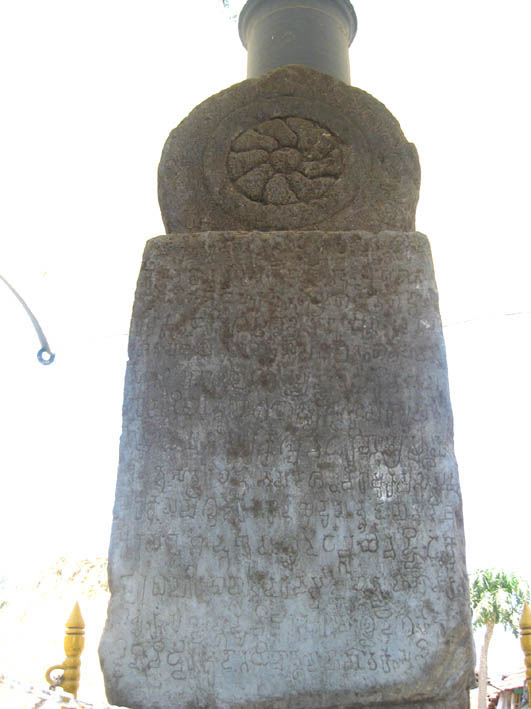


A RELIC: A sample of Halmidi inscription.
PC: The Hindu,

Kannadigas claim that Halmidi Kannda script as the oldest script which is usually dated  between 450 A.D. and 500 A.D. Halmidi inscription was discovered by M.H. Krishna, Director of Archaeology in the princely State of Mysore at Halmidi village in Hassan taluk in 1936.  Epigraphist, K. V. Ramesh has written about the differing estimates:
And I attribute the origin of this doubt in their minds to the fact that scholars, even the reputed ones, have held differing views, mostly to prop up their preconceived notions, on the palaeographical dating of any given undated or insufficiently dated inscriptions. ... The undated Halmidi (Hassan District, Karnataka) inscription, allegedly written during the reign of Kadamba Kakusthavarman, is taken by some scholars to belong, on palaeographical grounds, to the middle of the 5th century AD, while a few other scholars have held, on the same grounds of palaeography, that it is as late as the second half of the 6th century A.D. — K. V. Ramesh
Halmidi is a small village in Belur taluk, in the north of Hassan district with a population of 1,200, and was known as `Palmidi' and `Hanumidi'. Scholars fully agree with its ancientness but debate on the precise date.  The 16-line Halmidi inscription, with the Vishnu Chakra on its top, found inscribed on the rectangular sandstone with a height of 2.5 ft. and a width of 1 ft.  The script used in Halmidi inscription is considered as the primitive Kannada script. The scholars identified that its typical characteristics ascribed to "Poorvada Halegannada" (primitive Kannada) and the script has similarities with Tamil Brahmi characters. The transliteration of Halmidi inscription in English and Tamil are given below: 

1. jayati śri-pariṣvāṅga-śārṅga vyānatir-acytāḥ dānav-akṣṇōr-yugānt-āgniḥ śiṣṭānān=tu sudarśanaḥ  (ஜயதி ஸ்ரீ பரிஸ்வாங்க ஸாரங்க வ்யானதிர் அச்ய்தாதானவக்ஷ்னோர் யுகாந்தாக்னி சிஸ்தானான் து ஸுதர்ஸ:)
2. namaḥ śrīmat=kadaṁbapan=tyāga-saṁpannan kalabhōranā ari ka-  (நமஸ்ரீமத் கதம்பபன் த்யாக ஸம்பன்னன்  கலபோரனா அரி கா)
3. kustha-bhaṭṭōran=āḷe naridāviḷe-nāḍuḷ mṛgēśa-nā-  (குஸ்த பட்டூரன் ஆளி நரிதாவிலே நாடுள் ம்ருகேச நா)
4. gēndr-ābhiḷar=bhbhaṭahar=appor śrī mṛgēśa-nāgāhvaya-  (கேந்த்ராபிலர் பட்டகர் அப்போர் ஸ்ரீ மிரிகேச நாகாஹ்வயர்)
5. r=irrvar=ā baṭari-kul-āmala-vyōma-tārādhi-nāthann=aḷapa-  (இர்வர்  பட்டரி குலாமல வ்யோம தாராதி நாதன்  அளப்ப)
6. gaṇa-paśupatiy=ā dakṣiṇāpatha-bahu-śata-havan=ā-  (கண பசுபதி  தக்ஷிணாபத பஹு சத ஹவனா )
7. havuduḷ paśupradāna-śauryyōdyama-bharitōn=dāna pa-  (ஹவுதுள் பசுப்ரதான சௌர்யோத்யம ரிதோன் தான )
8. śupatiyendu pogaḷeppoṭṭaṇa paśupati-  (சுபதியெந்து  பொகளிப்பொட்டனா பசுபதி)
9. nāmadhēyan=āsarakk=ella-bhaṭariyā prēmālaya-  (நாமதேயன் ஆசரக்கெல்லா பட்டரிய பிரேமாலய)
10. sutange sēndraka-bāṇ=ōbhayadēśad=ā vīra-puruṣa-samakṣa-  (சுதன்கே ஸேந்தரக  பாணோபயதேசத்  வீர புருஷ சமக்ஷ)
11. de kēkaya-pallavaraṁ kād=eṟidu pettajayan=ā vija  (தே கேகய  பல்லவரம் காட் எறிது பெத்தஜயன்  விஜ)
12. arasange bāḷgaḻcu palmaḍiuṁ mūḷivaḷuṁ ko-  (அரசன்கே பால்கள்சு பல்மடியம் ுழிவளும் கொ)
13. ṭṭār baṭāri-kuladōn=āḷa-kadamban kaḷadōn mahāpātakan  (ட்டர் பட்டாரி குலத்தோன் ஆள தம்பன் களத்தோன் மஹாபாதகன்)
14. irvvaruṁ saḻbaṅgadar vijārasaruṁ palmaḍige kuṟu-  (இர்வ்வரும் சள்பகந்தார்  விஜாரசரும்  பல்மடிகே குறு)
15. mbiḍi viṭṭār adān aḻivornge mahāpatakam svasti (ம்பிடி விட்டார் அதான் அழிவோர்கே மகாபாதகம் ஸ்வஸ்தி)
The following line is carved on the pillar's left face:
16. bhaṭṭarg=ī gaḻde oḍḍali ā pattondi viṭṭārakara (பட்டர்க்  கழதே ஒட்டலி  பத்தொண்டி விட்டாரக)

Text in Kannada

ಜಯತಿ ಶ್ರೀ ಪರಿಷ್ವರ್ಙ್ಗ ಶ್ಯಾರ್ಙ್ಗ [ವ್ಯಾ]ನತಿರ್ ಅಚ್ಯುತಃ ದಾನಕ್ಷೆರ್ ಯುಗಾನ್ತಾಗ್ನಿಃ [ಶಿಷ್ಟಾನಾನ್ತು ಸುದರ್ಶನಃ ನಮಃ ಶ್ರೀಮತ್ ಕದಂಬಪನ್ ತ್ಯಾಗ ಸಂಪನ್ನನ್ ಕಲಭೋg[ನಾ] ಅರಿ ಕಕುಸ್ಥಭಟ್ಟೋರನ್ ಆಳೆ ನರಿದಾವಿ[ಳೆ] ನಾಡುಳ್ ಮೃಗೇಶನಾಗೇನ್ದ್ರಾಭೀಳರ್ ಭ್ಭಟಹರಪ್ಪೋರ್ ಶ್ರೀ ಮೃಗೇಶ ನಾಗಾಹ್ವಯರ್ ಇರ್ವ್ವರಾ ಬಟರಿ ಕುಲಾಮಲ ವ್ಯೋಮತಾರಾಧಿನಾಥನ್ ಅಳಪ ಗಣ ಪಶುಪತಿಯಾ ದಕ್ಷಿಣಾಪಥ ಬಹುಶತಹವನಾಹವದು[ಳ್] ಪಶುಪ್ರದಾನ ಶೌರ್ಯ್ಯೋದ್ಯಮ ಭರಿತೋ[ನ್ದಾನ]ಪಶುಪತಿಯೆನ್ದು ಪೊಗೞೆಪ್ಪೊಟ್ಟಣ ಪಶುಪತಿ ನಾಮಧೇಯನ್ ಆಸರಕ್ಕೆಲ್ಲಭಟರಿಯಾ ಪ್ರೇಮಾಲಯಸುತನ್ಗೆ zಸೇನ್ದ್ರಕ ಬಣೋಭಯ ದೇಶದಾ ವೀರಪುರುಷಸಮಕ್ಷದೆ ಕೇಕಯ ಪಲ್ಲವರಂ ಕಾದೆಱದು ಪೆತ್ತಜಯನಾ ವಿಜ ಅರಸಂಗೆ ಬಾಳ್ಗೞ್ಚು ಪಲ್ಮಡಿಉಂ ಮೂೞುವಳ್ಳಿಉಂ ಕೊಟ್ಟಾರ್ ಬಟಾರಿ ಕುಲದೊನಳ ಕದಂಬನ್ ಕೞ್ದೋನ್ ಮಹಾಪಾತಕನ್ ಸ್ವಸ್ತಿ ಭಟ್ಟರ್ಗ್ಗೀಗೞ್ದೆ ಒಡ್ಡಲಿ ಆ ಪತ್ತೊನ್ದಿ ವಿಟ್ಟಾರಕರ

 Halmadi Inscription: Fibreglass replica - Monument

Monument showing Halmadi Inscription in modern Kannada Script
Halmidi inscription, according to Srivatsa S. Vati, who has studied the ancient inscription, was  recovered in front of a mud fort at Halmidi.  The local people of Halmidi never realized the importance and the stone tablet was neglected for longer duration.  After sometime, handful of the local villagers were able to recognize the old script on the stone tablet. This influenced them to move the plaque to the Veerabhadra Temple in the village.

The inscription do not  have 'Prasati' to understand the details of the king who donated the village Palmaḍiuṁ (Halmidi). The inscription comprise more Sanskrit terms and the inscriber could be the Vedic Brahmana and could have been originally inscribed at the Veerbhadra temple. The kind of relationship between the Kadamba king Kakusthavarman (reigned c. 425–450 A.D.) and the king Pasupati could not be comprehensible from the inscription. King Pasupati, who could be the vassal of  Kakusthavarman, was fond enough to donate Palmaḍiuṁ (Halmidi) village to his beloved instructors, Mrukesa Nagendra Abilar and his father Mrukesa Nagahavyar, residents of Narithavu village as a token of gratitude for teaching him archey.  This archery skill helped Pasupati to conquer the little village of Kekaya Pallava and accepted their surrender after defeat. Victorious King Pasupati pleased Kadamba king Kakusthavarman by his victory and received the village Palmadiyam as a gift from Kakusthavarman. The two brahmana bhattars seems to have lied and cunningly received the village Palmadiyam as gift and wanted to enjoy the full rights over the village.

The original stone tablet of Halmidi inscription recovered in Halmidi village can be viewed in the Office of the Director of Archaeology and Museums, Govt. of Karnataka, Mysore. However fibreglass replica of the Halmidi Inscription has been installed on a pedestal in Halmidi village. A plaque mounted on the pedestal displays the transliteration of Halmidi inscription into modern Kannda script. It is for the benefit of visitors.

The Kannada Sahitya Parishat is organizing the "Halmidi Utsava" on November 16 and 17th every year at the Halmidi village in Belur Taluk to popularize it as a tourist destination.  Tourists visiting Belur and Halebidu can make use of the opportunity and visit Halmadi village to view the monument.

According to M.G. Manjunath, an epigraphist and considered an authority on “Nishadi” (Sallekhana Samadhi or Nishadi stone memorials erected for the departed revered) inscription of Jainism, “Gunabhushitana Nishadi Shasana”, (one of the 271 inscriptions on Chandragiri hill of Shravanabelagola) is the oldest known Kannada language inscription dating to 400 A.D.
Tourists visiting Hoysala temple of Belur and Halebid usually give Halmidi a miss. - See more at: http://www.newskarnataka.com/bangalore/revisiting-halmidi-4th-century-kannada-inscriptions-found#sthash.LGPtfxFI.dpuf

Reference

  1. Halmidi (Wikipedia) 
  2. Halmidi, a forgotten slice of history Sathish G. T. The Hindu October 8, 2014
  3. Halmidi inscription proves antiquity of Kannada: Moily The Hindu Oct 24, 2004
  4. Halmidi village finally on the road to recognition  by Muralidhara Khajane The Hindu Nov 03, 2003
  5. Kannada language. Encyclopedia Braitannica. http://www.britannica.com/topic/Kannada-language 
  6. Mysore scholar deciphers Chandragiri inscription, The Hindu September 20, 2008
  7. செம்மொழி கன்னடத்தின் ஹல்மிடி கல்வெட்டு.  அகலன். மின்தமிழ். 
Sri Madan Gowda on Halmidi Inscriptions. (Youtube)

Wednesday, September 16, 2015

Penneswaramadam Temple Inscription: How the Vira Ramanatha, Hoysala Ruler kept corruption at bay?


Sri Vedanayagi sameda Penneswara Nayanar temple
  • பென்னேஸ்வர மடம் கோயிலில் உள்ள கல்வெட்டை காட்டுகிறார் வரலாற்று ஆய்வாளர் சுகவன முருகன்.
    Sugavana Murugan, Freelance Archaeologist shows the Hoysala King Vira Ramanatha's inscription in Penneswaramadam Temple, Krishnagiri District, Tamil Nadu.
  • தலை துண்டிக்கப்பட்டவரின் உருவம் கொண்ட கல்வெட்டு.
    நவகண்டம் கல்வெட்டு.
The temples, during 13th century Hoysala rule, were degraded themselves to grossly corrupt practices. Vira Ramanatha (1253 to 1295 A.D.), the tenth Hoysala ruler showed  zero tolerance towards corruption. The Tamil Grantha inscription inscribed by the king in Penneswara Nayanar, Penneswaramadam clearly indicate how intolerant against corrupt practices and the violators of ethical framework. The Hoysala king has adopted anti-corruption measures in favor of his people.

Shri. Sugavana Murugan (pudhuezuthu), the scholar,  a government school teacher and also a freelance archaeologist, District Archaeology Centre of Kaveripattinam, Krishnagiri district has informed about the recording of the Tamil Grantha inscription by Shri. Su. Rajagopal and Shri. Su. Krishnamoorthy of the State Department of Archaeology.

The translation of the inscription in the Tamil Grantha script has been recorded by Su. Rajagopal and Su. Krishnamoorthy of the State Department of Archaeology, says Sugavana Murugan of the District Archaeology Centre. 
Penneswaramadam,  a panchayat village located on the bank of the South Pennar River  in Krishnagiri taluk Krishnagiri district PIN 635112. The village is approximately 100 kilometres  from Bangalore and.5 km from Kaveripattinam and 34 km from Dharmapuri. Penneswaramadam is geographically located at latitude 12 ° 23′0'' and longitude 12 ° 23′0''. Near by railway Stations are Bangarapet.

The 12th century Chola temple dedicated to Penneswara Nayanar (Lord Shiva) and his consort Sri Vedanayagi Amman.   The Penneswara Nayanar Shrine consists of a vimana, ardhamandapa and mukhamandapa. The vimana is a single tier structure with an adhishthana, pada, prastara, shikara, griva and stupi. The roofs of ardhamandapa and mukha mandapa are supported by vratta sthambas. The sanctum of the prime deity is facing east. The seven tier rajagopuram faces the south.

The vimana is surrounded by the cloister mandapa (thiruchurru malikai) with a row of pillars in the periphery. Subsidiary shrines for Vinayaka, Saptamatrikas, Surya and Chandra. The sanctum at the north-west corner of the temple houses the goddess Sri.Vedanayaki Amman. To the west there is a shrine for Rama, Lakshmana, Sita and Hanuman.

The Penneswara Nayanar temple also owns Navagandam panels. The specialty of the temple is that there is a practice of navagandam. Navagandam is the practice of individuals slicing their neck with a sword to the goddess. The supreme sacrifice often committed Kottravai, the war deity, involves in chopping off nine parts of one’s own body progressively. The individual offers his life for the welfare of the ruler and success in battles he leads.

Krishnagiri Region 

The present Krishnagiri and Dharmapuri district was known as 'Adhiayaman Nadu'. It was ruled by  Pallavas, Gangas, Nulambas, Cholas, Hoysalas, Vijaya Nagar Emperors, Bijapur Sultans, Wudayars of Mysore and Nayaks of Madurai. The regions including  'Krishnagiri', 'Hosur' and 'Uthangarai' were forming part of 'Eyil Nadu', 'Murasu Nadu' and 'Kowoor Nadu' respectively. Under Chola rule, Krishnagiri region was known as 'Nigarili Chola Mandlam' and 'Vidhugadhazhagi Nallur'. During 'Nulamba' rule it was called as 'Nulambadi.'  The 'Bara Mahal' Forts and the Krishnagiri region served as the west gateway of Tamil Nadu and defended the invasions. The Hoysala king Vira Ramanatha made "Kundani" a place in Krishnagiri District as his Head Quarters in 13th Century A.D. 

Inscriptions     

Over forty inscriptions have been discovered from this temple complex. They belonged to the reign of Hoysala, Chola and Vijayanagara kings. They have gifted gold, tax free land and other gifts to Penneswara Nayanar of Penneswaram. The inscription of Vira Narasimha, the Hoysala King records the land donation to the Pannai Nayanar by one Madurantaka Viranulamban Vairavan Vimalan. The land records also mention about lands located in Peruman Koyil Kollai, Thattankuttai, Mahadevan Kollai, Sirukkan Kollai, Puliyamadai etc.

An inscription of Vira Ramanatha Devarisa found in Tamil Grantha script - Tamil language on the wall of the Penneswara Nayanar temple in , Penneswaramadam is of great significance. It records the royal order issued by the Hoysala ruler Vira Ramanatha, dated regnal year 46.

"ஸ்ரீ வீரராமந்நாத தேவரீஸர்க்கு யாண்டு நாற்பத்தொன்றாவது உடையார் பெண்ணையாண்டார் மடத்தி லும் பெண்ணை நாயனார் தேவதானமான ஊர்களிலும் ஒரு அதிகாரியாதல் கணக்கர் காரியஞ் செய்வார்களாதல் கூசராதல் ஆரேனுமொருவர் வந்து விட்டது விடாமல் சோறு வேண்டுதல் மற்றேதேனும் நலிவுகள் செய்குதல் செய்தாருண்டாகில் தாங்களே அவர்களைத் தலையைஅறுத்துவிடவும் அப்படி செய்திலர் களாதல் தங்கள் தலைகளோடே போமென்னும்படிறெயப்புத்த பண்ணி இதுவே சாதனமாகக் கொண்டு ஆங்கு வந்து நலிந்தவர் களைத் தாங்களே ஆஞ்ஞை பண்ணிக் கொள்ளவும் சீ காரியமாகத்தாங்க . . . த. . . போதும் போன அமுதுபடிக் குடலாக ஸர்வ மானிய மாகக் குடுத்தோம். அனைத் தாயமு விட்டுக்கு . . .கூசர் உள்ளிட்டார் பையூரிலே இருக்கவும் சொன்னோம். இப்படியாதே இதுக்கு விலங்கனம் பன்னினவன் கெங்கைக் கரையில் குராற் பசுவைக் கொன்றான் பாவத்தைக் கொள்வான்" 

Meaning: "The record is dated in the 49th year of king Sri Viraramanatha Devarisar. Anybody seeking cooked food or indulging in other corrupt practices in Pennaiyaandaar madam (பெண்ணையாண்டார் மடம்) and its endowed land (Pennai Nayanar devadanamana oorgalilum - பெண்ணை நாயனார் தேவதானமான ஊர்களிலும்) shall be beheaded, and any official like Kannakkar, Adhigaarigal (அதிகாரியாதல் கணக்கர் காரியஞ் செய்வார்களாதல்) refusing to act on this order will face a similar fate.”   Registers an endowment of  land (ஸர்வ மானிய மாகக் குடுத்தோம்) for feeding the poor mendicants (நலிந்தவர்கள்). The order was strictly enforced. Whenever one violates the natural moral order established by the king, one sins and incur the sin of killing cow (குராற் பசு) on the bank of river Ganges.

Savulur Panchayat Union Middle School students have discovered a pre-historic site near Penneswara Nayanar  temple during April 2015. They have also collected artefacts dating back to 2000 years from the site near the temple.

In the Vijayanagar period, Madras Port became a well known port. This is evident from a Vijayanagar inscription found in Penneswaramadam, on the banks of the Pennar, to the South of Kaveripattinam. The inscription is dated July 21, 1367. It is about the digging of a canal in the time of Kampanna II. “This king’s conquests and victories in Tamil territory are also recorded in this inscription, and the names of ports, forts and villages on the East Coast, which he captured from Tondaiman, give us clues about Maadarasanpattanam,” says Rajavelu.

History of Hoysalas
  • Place        Karnataka
  • Period        10th to 14th Century
  • Language    Kannada
  • Religion    Hindu
  • Hoysala Kings: 1. Nripa Kama II (1000 to 1045 A.D.), 2. Hoysala Vinayaditya (1045 to 1098 A.D.), 3. Ereyanga (1098 to 1100 A.D.), 4. Veera Ballala I (1100 to 1108 A.D.), 5. Vishnuvardhana (1108 to 1142), 6. Narasimha I (1142 to 1173 A.D.), 7. Veera Ballala II (1173 to 1220 A.D.), 8. Vira Narasimha II (1220 to 1235 A.D.), 9. Vira Someshwara (1235 to 1253 A.D.),  10. Narasimha III and Vira Ramanatha (1253 to 1295) and 11.Veera Ballala III (1295 to 1342. A.D.).
The 346 year rule of the  Hoysala dynasty (1000 A.D. to 1346 A.D.) is looked at as the second most flourishing and mighty period in the Karnataka history next to the powerful Vijayanagara Empire. This South Indian Kannadiga empire ruled most of modern day state of Karnataka and Belur was their capital during initial 150 years and later moved to Halebid due to hostility and repeated invasions. Taking advantage of the warfare between the then Western Chalukyas and Kalachuri kingdoms, they also conquered the present day Karnataka and the fertile areas north of the Kaveri River delta of the present day Tamil Nadu. By 13th century, they governed most part of the of the present-day Karnataka, minor parts of Tamil Nadu and parts of western Andhra Pradesh in Deccan India. Narasimha II, the seventh Hoysala ruler conquered Tiruvannamalai in Tamil Naduto make it his winter capital. 
 
Vira Somesvara (1235 to 1253 A.D.), before his death bifurcated his kingdom between his two sons, Veera Narasimha and Vira Ramanatha. His sons, however, later fought a civil war. Vira Ramanatha confederated himself with Rajendra Chola Deva III. Both were later to be overpowered by Maravarman Kulasekara Pandiya, who impounded their territorial dominion. Vira Narasimha's successor was Ballala III aka Veera Vallalan, Emperor of the South (1291 - 1342 AD). Although still hostile, Ballala's succession was not disputed by Vira Ramanatha, thus Ballala was able to rule over a united Hoysala Kingdom until approximately by  1300 A.D.
Vira Ramanatha's accession to the Tamil districts took place about 1255 A.D. and his inscriptions of the 12th, 15th and in the 17th years, which correspond to 1267, 1270 and 1271 A.D. are found at Srirangam and Kannanur. The king attended to the checking of the revenue accounts in the 4th year of his reign; the communal repairs made to the Vanigan's well now known as Nalummulaikkeni at Tiruvellarai, whose walls it is stated, had sunk in on the four sides probably on account of heavy rains in the 8th year of the king, and exempted the tax on salt dealers at Tirumalavadi. He made to the temple of Sri Ranganatha at Srirangam, a gift of a gold crown set with jewels, two fly whisks with the handle of gold and a kalanji (betel pot). He was succeeded by his son Vira Viswanatha in 1293 - 94 A.D; after which the kingdom merged into then rising power of Vijayanagara Empire.  

These rulers were initially inspired by Jainism but from the Vishnuvardhana’s period onwards they were all Vaishnava Hindus and were great patrons of the temple architecture of Belur, Halebid and Somanathpura. The Hoysala dynasty is well remembered for the the hallmark of their temple architecture as well as for the exquisite workmanship on a massive scale in Belur, Halebid, Somanathapur, Arasikere and Amritapura in the Karnataka State and Tiruvannamalai in Tamil Nadu.

Reference:

  1. History of Krishnagiri District  http://www.krishnagiri.tn.nic.in/history.htm
  2. Hoyala Dynasty. Indian Mirror.com  http://www.indianmirror.com/dynasty/hoysaladynasty.html
  3. Madras is not alien by Suganthy Krishnamachary. The Hindu August 21, 2014
  4. Perils of corruption: a note from Hoysala ruler by PV Srividya. The Hindu  October 11, 2014
  5. லஞ்சம் வாங்கினாலும், கொடுத்தாலும் மரண தண்டனை விதித்த மன்னன்: 700 ஆண்டுகளுக்கு முந்தைய கல்வெட்டில் தகவல். எஸ்.கே.ரமேஷ். தி இந்து அக்டோபர்  10, 2014

Saturday, May 3, 2014

Karnataka (Chikmagalur) Ornate Mansion: Reconstructed at Craft Village, Dakshinachitra, ECR Chennai


Karnataka House Architecture(Chikmagalur) at Craft Village, Dakshinachitra, ECR, Chennai

Dakshinachitra, “a living museum of art, architecture, crafts, and performing arts of South India” is constructed in 10 acres of land and located on the East Coast Road in Muttukadu i.e., 21 km south of Chennai. Created by the Chennai Crafts Foundation, Dakshinachitra is a work in progress Craft Village.

Dakshinachitra houses carefully recreated and showcases heritage structures, traditions and culture from the four southern Indian states of Andhra Pradesh, Karnataka, Kerala and Tamil Nadu. It is also a hub for performing arts, a retreat for artists, a learning center for students, an exhibition space, a place to visit for the culturally inclined tourist. 

I have captured this reconstructed heritage house from Karnataka and the heritage structure (Chikmagalur).

Address: East Coast Road, Muttukadu, Chingulpet District – 600 118. Landmark: next to MGM Dizee World;  Phone: 044 27472603 / 044 27472783
Visiting Hours: 10 am to 6pm Weekly Holiday: Tuesday (open on all national holidays except on Diwali Day).
How to Get There?: Dakshinachitra located on the scenic East Coast Road in Chennai. Access from Chennai: 21 kms South of Chennai on ECR or Access from Mahabalipuram: 25km on ECR.
By Road: City Bus Route Nos: 19, PP19, PP49 or Taxi