Showing posts with label Hoysala Dynasty. Show all posts

Thursday, September 24, 2015

Dandanayakan Fort: Hoysala Commander's Fort forms part of Bhavani Sagar Dam Catchment Area.


Dandanayakan Fort submerged in Bhavani Sagar Dam. PC: Keetru 13 Dec 2012
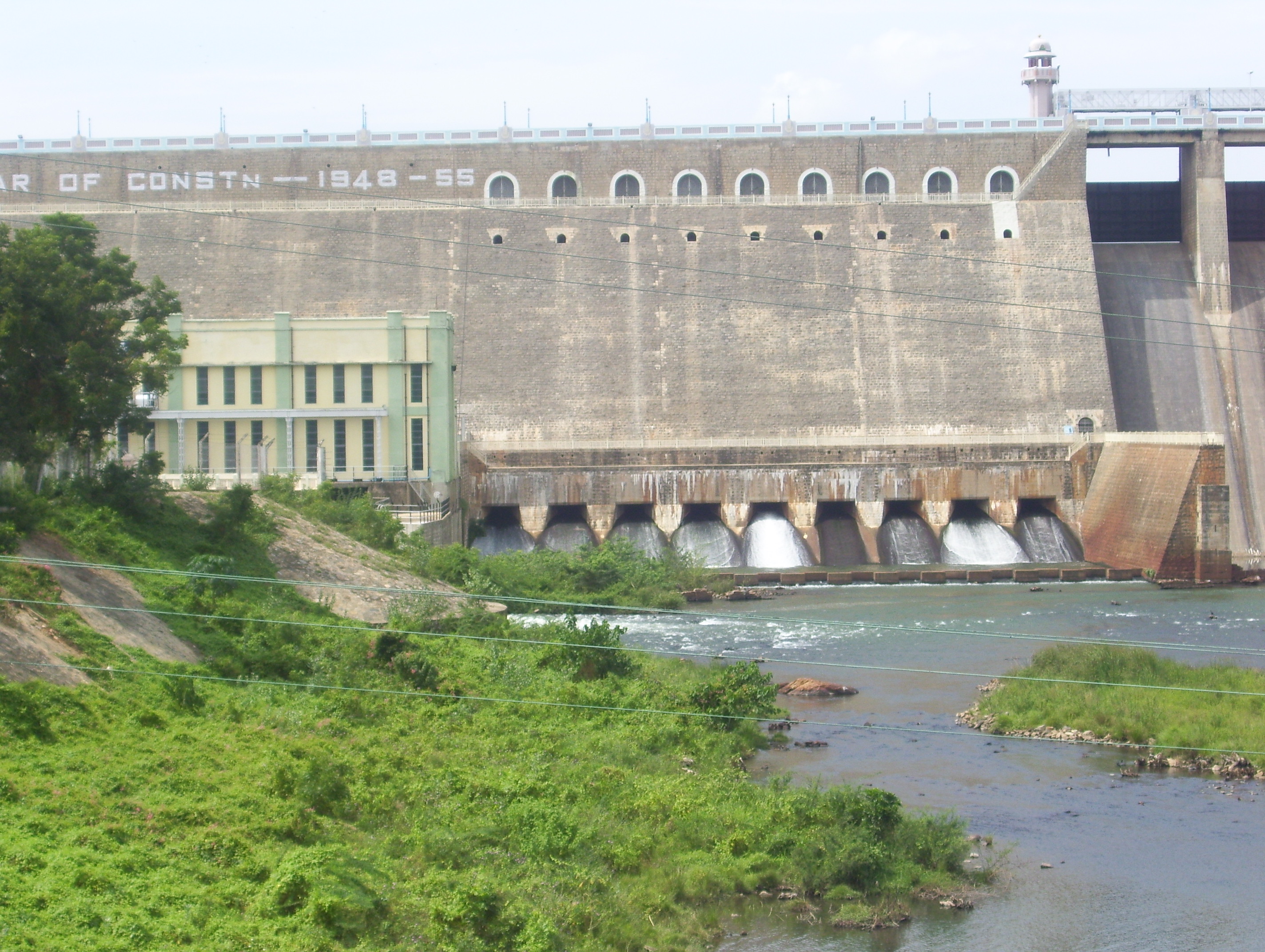
Bhavani Sagar Dam aka Lower Bhavani Dam and Reservoir (Wikipedia)

Bhavani Sagar Dam aka Bhavani Sagar Dam and Reservoir is the prominent earthen dam in India .  The second largest dam in Tamil Nadu  is located  on the Bhavani River in Erode district, Tamil Nadu. The dam with a capacity to store 32.8 tmc of water feeds the Lower Bhavani Project Canal and forms the water source for  the vast swathes of land (2.45 lac acres of land) in Erode & Tiruppur Districts. The irrigation project was the first major irrigation project designed and developed in India after independence in 1947 and came to full function by 1956. It is one the favorite places for picnics and known for childerns' amusement, fun and gaiety.

Whenever the water level in Bhavani agar Dam goes down (total height of the dam -  32 m (105 ft) the visitors can view  the Danayakkan Kottai ‘டனாய்க்கன் கோட்டை’ aka Dhana Nayakan fort. Whenever water level reaches full height the fort gets submerged into the water. According to historians the fort dates back to 1292 and 1341. Before the construction of Bhavanisagar Dam and Reservoir the present catchment area of the dam was occupied by the Dhana Nayakan fort as well as villages like Kooduvoy (கூடுவாய்), Peerkadavu (பீர்க்கடவு) and Kuyyanur (குய்யனூர்). Once it was decided to construct the dam the native people were provided with alternate land for living.  The fort also bears some significant inscriptions.

Kongu Nadu region (Wikipedia)
This region was known as part of Kongu Nadu. Valasundara Kavirayar, probably a seventeenth century poet, hailing from Vijayamangalam (near Perundurai) versifies the borders of the Kongu mandalam as:

வடக்கு நந்திகிரி வராககிரி தெற்கு
குடக்கு பொறுப்பு வெள்ளிக்குன்று
களித்தன்டலை மேவு காவிரிசூழ்
நாடு-குளித்தன்டலை அளவு கொங்கு.  
 - கொங்குமண்டல சதகம்

According to his poem in Kongumandala sathakam (கொங்குமண்டல சதகம்), the Kongu Nadu was bound by Varaka Giri (Panrimalai mountain (பன்றிமலை) in the Palani-Kodaikkanal ranges (பழனி கொடைக்கானல் மலை) in the south, Kudagu (குடகு) and Vellikundru (வெள்ளிக்குன்று) (Kodagu (கொடகு) in the Madikeri dist. of Karnataka and Vellingiri hills (வெள்ளிங்கிரி) near Coimbatore) in the east and Nandigiri (நந்திகிரி) (Nandi hills in Kolar and Tumkur dists. of Karnataka) in the north. The native communities of Kongu Nadu includes Kongar (கொங்கர்), Kosar (கோசர்), Aviyar (அவியர்), Oviyar (ஓவியர்), Veliyar (வெளியர்), Velir (வேளிர்) etc. Agriculture was the major occupation of many of the people in and around this vast region.

The ancient Kongu country was ruled over by the Velir chiefs.  Sources indicate about an active trade between Kongu and the classical Romans during this period. At the end of Sangam Period from about 300 A.D.- 600 A.D., there is a lack of coherent information on the history of Kongu Nadu. The South Western region of Kongu was occupied by Chera rulers; South Eastern part by Pandya kings. Adiyas and Kadavas possessed Northern Kongu.

Imperial Cholas ruled the Kongu region except the south and south-western region which were controlled by the Pandyas and the Chera kings of the Perumal dynasty. During the 10th century A.D., Kongu came under autonomous rule of the members of the collateral Chera family for nearly 300 years and they assumed the titles and names of Imperial Cholas. Thereafter the Pandyas ruled for some time.

Hoysalas, a prominent Southern Indian Kannadiga empire, ruled most of the modern-day state of Karnataka and parts of Tamil Nadu.  The loss of Vira Someshwara (1235–1263) against Jatavarman Sundara Pandiyan resulted in the end of the Hoysala Empire. Jatavarman Sundara Pandiyan went inside Kannada country after conquering Tiruchy and occupied parts of Hoysala territory up to the Konkana coast and established his son Vira Pandiyan as ruler of those territories. The Imperial Cholas made alliance with Hoysalas and this  alliance with the Hoysalas did no good to the Cholas and with the death of Vira Someshwara. The Pandyans got hold of the Kongu territories, Chola Nadu and some of the Hoysala countries during the time and a new clan called Kongu Pandiyar (கொங்கு பாண்டியர்கள்) was established under Jatavarman Vira Pandiyan.

Vira Ballala III (மூன்றாம் வீர வல்லாளா) (1292-1343) was the eleventh and last ruler of Hoysala dynasty. In Karnataka the core area around Mysore right up to Tiruvannamalai (திருவண்ணாமலை) in Tamil Nadu was in the hands of Vira Ballala III. Around c.1310, Ballala III successfully played 'king maker' in the affairs of Tamil country by appointing Sundara Pandya (சுந்தர பாண்டியன்) as the Pandya king as opposed to his competitor, Vira Pandya (வீர பாண்டியன்). In 1327 A.D., Muhammad Tughlaq shifted his capital to Devagiri from Delhi and this has brought enormous Muslim armies dangerously close to the Hoysala capital of Dvarasamudra (துவாரசமுத்திரா). As a precaution, Vira Ballala III had established three capitals: Dvarasamudra (துவாரசமுத்திரா), Kundani  (குந்தாணி) and Tiruvannamalai (திருவண்ணாமலை). He also entrusted the task of defending the Northern frontier of the Hoysala kingdom to the five Sangama brothers (சங்கமா சகோதரர்கள்) of which Harihara and Bukkaraya (ஹரிஹர மற்றும் புக்க ராயா) are the most famous.

Vira Ballala III was engaged in near constant warfare with the genocidal regime of Bahmani and the Madurai Sultanates in desperate attempts to destroy it and liberate the deep south. He was over eighty years old at this time met a tragic end in 1342 AD at the hands of  Ghiyas-ud-din Damghan Shah, a successor of Ahsan Shah. This great defender of Dharma was captured in the decisive battle of Kannur-Koppam  and skinned alive by the blood thirsty Ghiyas-ud-din.

Hoysala Administration

Hoysala Administration was similar to Western Chalukya and Western Ganga Dynasties in relation to political and geographical segregation,  local administration, army and ministry. At the apex, the Hoysala king was supported by the cabinet comprising five ministers (Pancha Pradhanas). This figure grow into higher number at a later date.

Perumal Dandanayaka 

The commanders of the army was known as Dandanayaka (or Senadhipati). Perumal Dandanayaka was the commander of Vira Ballala III and he was responsible in conquering the Kongu Nadu. In order to respect his valor and faith of his Dandanayaka, Vira Ballala gave the part of Kongu Nadu as a gift to Perumal Dandanayaka. The army commander built a fort and ruled this Kongu region. Over a period of Dandanayaka Fort was transformed as Dhannanayaka Fort (தண்ணநாய்க்கன் கோட்டை) and further damaged to Danayakan Fort (டனாய்க்கன் கோட்டை).

Someswara Mangalambika Temple


The Hoysala temple dedicated to Someswara Mangalambika (சோமேஸ்வர மங்களாம்பிகை கோவில்) temple built by Narasimha III (1263–1292) in memory of his father Vira Someswara (1235–1263) is also located nearer to this fort. During Muslim invasion, the forts and Hindu temples were ransacked by the mugal and this fort and temple were also ransacked. Over the years Hoysala came back to power and renovated the fort and the temple. One Ballaya-danadanayakkan (Valiya-dandanayakkan as per inscription) son of  Dutapillai-dandanayakkan of Aranappuram of Madurantakam in Tondaimandalam, undertook the renovation.

Renovation of Someswara Temple by  Ballaya-danadanayakkan

The  undated inscription on the wall of the central shrine, Varadaraja-Perumal temple, Alambakkam, Lalgudi Taluk, Tiruchirapalli District  comprise two sections. The first section is composed in verse as well as in prose and the other section is in prose only. The inscription in verse refers about the renovation of the temples of Dachchina Kailayamudaiyar and Tirumerkoyil (the temple in the west, i. e., Vishnu). The lithic record in prose (below the verse portion) refers about the one Valiya Dandanayakkan (Ballaya-danadanayakkan), son of  Adappillai-dandanayakkan of [Aranappuram] of Madurantakam in Tondaimandalam, who was a dandanayaka  of Narasingadevan (Narasimha III), caused the repairs to this Sri vimana  (of the a central shrine or sanctum) on which the record is inscribed. 

The inscription does not provide the name of the temple. This general or dandanayaka is identical with his namesake who is mentioned as the son of Dutapillai-dandanayakkan in the Tamil portion and as the arbhaka  (son) of Duta in Sanskrit verse in a record (S. I. I., Vol. V, No. 659, verse 1, line 1) from Tirumalavadi in Udaiyarpalayam Taluk of the same district. It is possible that their overlord Narasimha mentioned in these two inscriptions is evidently the same as Hoysala Narasimha III (1263–1292), who held sway over this area. It may be said from the above records that his reign period witnessed many benevolent acts including the construction of a tank called Madurantakappereri. One the grounds of paleography Narasimha may be considered to be identical with the second king of that name. The temple may be considered as Someswara Mangalambika (சோமேஸ்வர மங்களாம்பிகை கோவில்) temple built by Narasimha III (1263–1292). 

Reference:

  1. South Indian Inscriptions. Volume 26 Introduction_2
  2. Vijayangar Chapter 6: The Great war of Liberation
  3. அணைக்குள் மூழ்கிக் கிடக்கும் கோட்டை தினகரன்
  4. பவானிசாகர் அணைக்குள் மூழ்கிக் கிடக்கும் பழம்பெரும் கோட்டை தினமலர் 01 ஆகஸ்ட் 2010
  5. பவானிசாகர் அணையில் நீர் மட்டம் குறைந்ததால் வெளியே தெரியும் கோட்டை கோவில் மாலைமலர் மே 27 2012
  6. பவானிசாகர் நீர்மட்டம் சரிவு கோயில்கள் வெளியில் தெரிகின்றன தமிழ் முரசு 08 March  2013
  7. சத்தியமங்கலம் வனம் - தமிழகத்தின் பசுமை நுரையீரல் கீற்று  13 டிசம்பர் 2012

Wednesday, September 16, 2015

Penneswaramadam Temple Inscription: How the Vira Ramanatha, Hoysala Ruler kept corruption at bay?


Sri Vedanayagi sameda Penneswara Nayanar temple
  • பென்னேஸ்வர மடம் கோயிலில் உள்ள கல்வெட்டை காட்டுகிறார் வரலாற்று ஆய்வாளர் சுகவன முருகன்.
    Sugavana Murugan, Freelance Archaeologist shows the Hoysala King Vira Ramanatha's inscription in Penneswaramadam Temple, Krishnagiri District, Tamil Nadu.
  • தலை துண்டிக்கப்பட்டவரின் உருவம் கொண்ட கல்வெட்டு.
    நவகண்டம் கல்வெட்டு.
The temples, during 13th century Hoysala rule, were degraded themselves to grossly corrupt practices. Vira Ramanatha (1253 to 1295 A.D.), the tenth Hoysala ruler showed  zero tolerance towards corruption. The Tamil Grantha inscription inscribed by the king in Penneswara Nayanar, Penneswaramadam clearly indicate how intolerant against corrupt practices and the violators of ethical framework. The Hoysala king has adopted anti-corruption measures in favor of his people.

Shri. Sugavana Murugan (pudhuezuthu), the scholar,  a government school teacher and also a freelance archaeologist, District Archaeology Centre of Kaveripattinam, Krishnagiri district has informed about the recording of the Tamil Grantha inscription by Shri. Su. Rajagopal and Shri. Su. Krishnamoorthy of the State Department of Archaeology.

The translation of the inscription in the Tamil Grantha script has been recorded by Su. Rajagopal and Su. Krishnamoorthy of the State Department of Archaeology, says Sugavana Murugan of the District Archaeology Centre. 
Penneswaramadam,  a panchayat village located on the bank of the South Pennar River  in Krishnagiri taluk Krishnagiri district PIN 635112. The village is approximately 100 kilometres  from Bangalore and.5 km from Kaveripattinam and 34 km from Dharmapuri. Penneswaramadam is geographically located at latitude 12 ° 23′0'' and longitude 12 ° 23′0''. Near by railway Stations are Bangarapet.

The 12th century Chola temple dedicated to Penneswara Nayanar (Lord Shiva) and his consort Sri Vedanayagi Amman.   The Penneswara Nayanar Shrine consists of a vimana, ardhamandapa and mukhamandapa. The vimana is a single tier structure with an adhishthana, pada, prastara, shikara, griva and stupi. The roofs of ardhamandapa and mukha mandapa are supported by vratta sthambas. The sanctum of the prime deity is facing east. The seven tier rajagopuram faces the south.

The vimana is surrounded by the cloister mandapa (thiruchurru malikai) with a row of pillars in the periphery. Subsidiary shrines for Vinayaka, Saptamatrikas, Surya and Chandra. The sanctum at the north-west corner of the temple houses the goddess Sri.Vedanayaki Amman. To the west there is a shrine for Rama, Lakshmana, Sita and Hanuman.

The Penneswara Nayanar temple also owns Navagandam panels. The specialty of the temple is that there is a practice of navagandam. Navagandam is the practice of individuals slicing their neck with a sword to the goddess. The supreme sacrifice often committed Kottravai, the war deity, involves in chopping off nine parts of one’s own body progressively. The individual offers his life for the welfare of the ruler and success in battles he leads.

Krishnagiri Region 

The present Krishnagiri and Dharmapuri district was known as 'Adhiayaman Nadu'. It was ruled by  Pallavas, Gangas, Nulambas, Cholas, Hoysalas, Vijaya Nagar Emperors, Bijapur Sultans, Wudayars of Mysore and Nayaks of Madurai. The regions including  'Krishnagiri', 'Hosur' and 'Uthangarai' were forming part of 'Eyil Nadu', 'Murasu Nadu' and 'Kowoor Nadu' respectively. Under Chola rule, Krishnagiri region was known as 'Nigarili Chola Mandlam' and 'Vidhugadhazhagi Nallur'. During 'Nulamba' rule it was called as 'Nulambadi.'  The 'Bara Mahal' Forts and the Krishnagiri region served as the west gateway of Tamil Nadu and defended the invasions. The Hoysala king Vira Ramanatha made "Kundani" a place in Krishnagiri District as his Head Quarters in 13th Century A.D. 

Inscriptions     

Over forty inscriptions have been discovered from this temple complex. They belonged to the reign of Hoysala, Chola and Vijayanagara kings. They have gifted gold, tax free land and other gifts to Penneswara Nayanar of Penneswaram. The inscription of Vira Narasimha, the Hoysala King records the land donation to the Pannai Nayanar by one Madurantaka Viranulamban Vairavan Vimalan. The land records also mention about lands located in Peruman Koyil Kollai, Thattankuttai, Mahadevan Kollai, Sirukkan Kollai, Puliyamadai etc.

An inscription of Vira Ramanatha Devarisa found in Tamil Grantha script - Tamil language on the wall of the Penneswara Nayanar temple in , Penneswaramadam is of great significance. It records the royal order issued by the Hoysala ruler Vira Ramanatha, dated regnal year 46.

"ஸ்ரீ வீரராமந்நாத தேவரீஸர்க்கு யாண்டு நாற்பத்தொன்றாவது உடையார் பெண்ணையாண்டார் மடத்தி லும் பெண்ணை நாயனார் தேவதானமான ஊர்களிலும் ஒரு அதிகாரியாதல் கணக்கர் காரியஞ் செய்வார்களாதல் கூசராதல் ஆரேனுமொருவர் வந்து விட்டது விடாமல் சோறு வேண்டுதல் மற்றேதேனும் நலிவுகள் செய்குதல் செய்தாருண்டாகில் தாங்களே அவர்களைத் தலையைஅறுத்துவிடவும் அப்படி செய்திலர் களாதல் தங்கள் தலைகளோடே போமென்னும்படிறெயப்புத்த பண்ணி இதுவே சாதனமாகக் கொண்டு ஆங்கு வந்து நலிந்தவர் களைத் தாங்களே ஆஞ்ஞை பண்ணிக் கொள்ளவும் சீ காரியமாகத்தாங்க . . . த. . . போதும் போன அமுதுபடிக் குடலாக ஸர்வ மானிய மாகக் குடுத்தோம். அனைத் தாயமு விட்டுக்கு . . .கூசர் உள்ளிட்டார் பையூரிலே இருக்கவும் சொன்னோம். இப்படியாதே இதுக்கு விலங்கனம் பன்னினவன் கெங்கைக் கரையில் குராற் பசுவைக் கொன்றான் பாவத்தைக் கொள்வான்" 

Meaning: "The record is dated in the 49th year of king Sri Viraramanatha Devarisar. Anybody seeking cooked food or indulging in other corrupt practices in Pennaiyaandaar madam (பெண்ணையாண்டார் மடம்) and its endowed land (Pennai Nayanar devadanamana oorgalilum - பெண்ணை நாயனார் தேவதானமான ஊர்களிலும்) shall be beheaded, and any official like Kannakkar, Adhigaarigal (அதிகாரியாதல் கணக்கர் காரியஞ் செய்வார்களாதல்) refusing to act on this order will face a similar fate.”   Registers an endowment of  land (ஸர்வ மானிய மாகக் குடுத்தோம்) for feeding the poor mendicants (நலிந்தவர்கள்). The order was strictly enforced. Whenever one violates the natural moral order established by the king, one sins and incur the sin of killing cow (குராற் பசு) on the bank of river Ganges.

Savulur Panchayat Union Middle School students have discovered a pre-historic site near Penneswara Nayanar  temple during April 2015. They have also collected artefacts dating back to 2000 years from the site near the temple.

In the Vijayanagar period, Madras Port became a well known port. This is evident from a Vijayanagar inscription found in Penneswaramadam, on the banks of the Pennar, to the South of Kaveripattinam. The inscription is dated July 21, 1367. It is about the digging of a canal in the time of Kampanna II. “This king’s conquests and victories in Tamil territory are also recorded in this inscription, and the names of ports, forts and villages on the East Coast, which he captured from Tondaiman, give us clues about Maadarasanpattanam,” says Rajavelu.

History of Hoysalas
  • Place        Karnataka
  • Period        10th to 14th Century
  • Language    Kannada
  • Religion    Hindu
  • Hoysala Kings: 1. Nripa Kama II (1000 to 1045 A.D.), 2. Hoysala Vinayaditya (1045 to 1098 A.D.), 3. Ereyanga (1098 to 1100 A.D.), 4. Veera Ballala I (1100 to 1108 A.D.), 5. Vishnuvardhana (1108 to 1142), 6. Narasimha I (1142 to 1173 A.D.), 7. Veera Ballala II (1173 to 1220 A.D.), 8. Vira Narasimha II (1220 to 1235 A.D.), 9. Vira Someshwara (1235 to 1253 A.D.),  10. Narasimha III and Vira Ramanatha (1253 to 1295) and 11.Veera Ballala III (1295 to 1342. A.D.).
The 346 year rule of the  Hoysala dynasty (1000 A.D. to 1346 A.D.) is looked at as the second most flourishing and mighty period in the Karnataka history next to the powerful Vijayanagara Empire. This South Indian Kannadiga empire ruled most of modern day state of Karnataka and Belur was their capital during initial 150 years and later moved to Halebid due to hostility and repeated invasions. Taking advantage of the warfare between the then Western Chalukyas and Kalachuri kingdoms, they also conquered the present day Karnataka and the fertile areas north of the Kaveri River delta of the present day Tamil Nadu. By 13th century, they governed most part of the of the present-day Karnataka, minor parts of Tamil Nadu and parts of western Andhra Pradesh in Deccan India. Narasimha II, the seventh Hoysala ruler conquered Tiruvannamalai in Tamil Naduto make it his winter capital. 
 
Vira Somesvara (1235 to 1253 A.D.), before his death bifurcated his kingdom between his two sons, Veera Narasimha and Vira Ramanatha. His sons, however, later fought a civil war. Vira Ramanatha confederated himself with Rajendra Chola Deva III. Both were later to be overpowered by Maravarman Kulasekara Pandiya, who impounded their territorial dominion. Vira Narasimha's successor was Ballala III aka Veera Vallalan, Emperor of the South (1291 - 1342 AD). Although still hostile, Ballala's succession was not disputed by Vira Ramanatha, thus Ballala was able to rule over a united Hoysala Kingdom until approximately by  1300 A.D.
Vira Ramanatha's accession to the Tamil districts took place about 1255 A.D. and his inscriptions of the 12th, 15th and in the 17th years, which correspond to 1267, 1270 and 1271 A.D. are found at Srirangam and Kannanur. The king attended to the checking of the revenue accounts in the 4th year of his reign; the communal repairs made to the Vanigan's well now known as Nalummulaikkeni at Tiruvellarai, whose walls it is stated, had sunk in on the four sides probably on account of heavy rains in the 8th year of the king, and exempted the tax on salt dealers at Tirumalavadi. He made to the temple of Sri Ranganatha at Srirangam, a gift of a gold crown set with jewels, two fly whisks with the handle of gold and a kalanji (betel pot). He was succeeded by his son Vira Viswanatha in 1293 - 94 A.D; after which the kingdom merged into then rising power of Vijayanagara Empire.  

These rulers were initially inspired by Jainism but from the Vishnuvardhana’s period onwards they were all Vaishnava Hindus and were great patrons of the temple architecture of Belur, Halebid and Somanathpura. The Hoysala dynasty is well remembered for the the hallmark of their temple architecture as well as for the exquisite workmanship on a massive scale in Belur, Halebid, Somanathapur, Arasikere and Amritapura in the Karnataka State and Tiruvannamalai in Tamil Nadu.

Reference:

  1. History of Krishnagiri District  http://www.krishnagiri.tn.nic.in/history.htm
  2. Hoyala Dynasty. Indian Mirror.com  http://www.indianmirror.com/dynasty/hoysaladynasty.html
  3. Madras is not alien by Suganthy Krishnamachary. The Hindu August 21, 2014
  4. Perils of corruption: a note from Hoysala ruler by PV Srividya. The Hindu  October 11, 2014
  5. லஞ்சம் வாங்கினாலும், கொடுத்தாலும் மரண தண்டனை விதித்த மன்னன்: 700 ஆண்டுகளுக்கு முந்தைய கல்வெட்டில் தகவல். எஸ்.கே.ரமேஷ். தி இந்து அக்டோபர்  10, 2014